A quarter of a century has passed since September 11, 2001. Yet, for thousands of families, the legal closure they deserve remains completely out of reach. Nearly three thousand people died when hijacked planes struck the World Trade Center, the Pentagon, and a field in Shanksville, Pennsylvania. While the world moved on through decades of shifting geopolitical landscapes, the bereaved are still trapped in an endless pretrial loop.
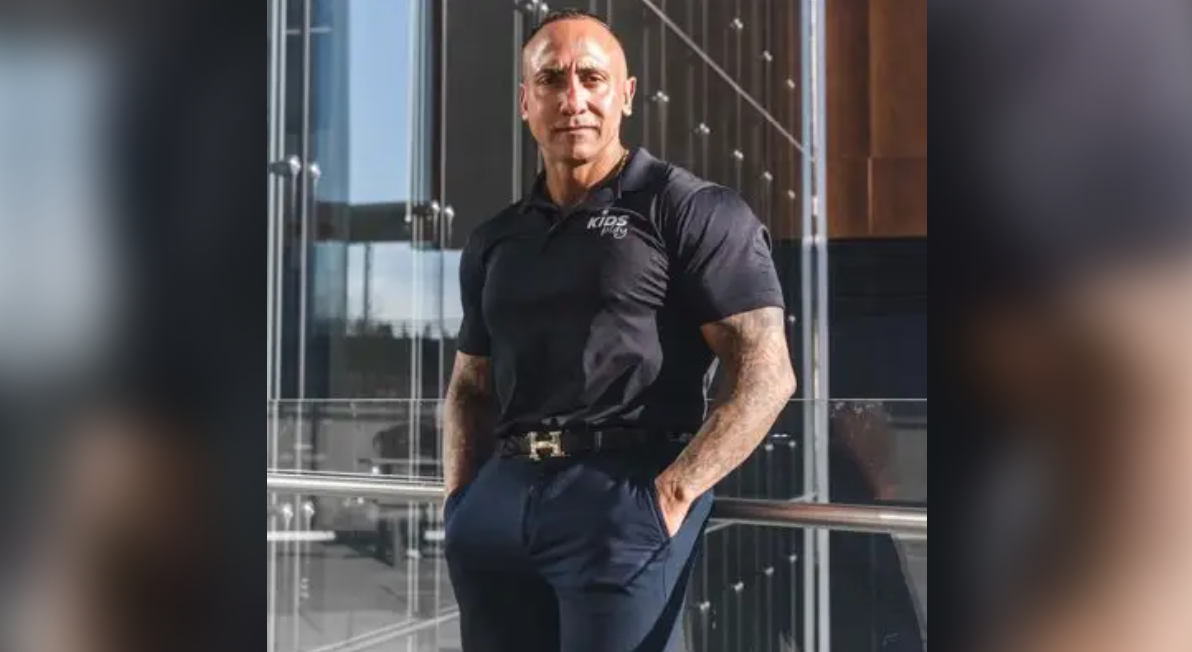
Take Tom Resta, for example. His brother John and his pregnant wife Sylvia were working on the 92nd floor of the North Tower. They had just finished painting their baby's nursery with characters from Blue's Clues. Twenty-five years later, Tom says the tragedy is "almost constantly" on his mind. He has traveled to Guantanamo Bay four times just to sit behind thick glass and watch painfully slow legal proceedings for the alleged mastermind, Khalid Sheikh Mohammed.
The Never-Ending Pre-Trial Maze
The core of the frustration lies in a stalled military commission process that has cycled through five different judges. Twenty years after his capture, the man accused of masterminding the attacks has still not faced a trial verdict. A trial date has finally been pushed to June 2028, but aging family members are running out of time. Tom's father is approaching 98, and many relatives simply don't expect to live long enough to witness a final verdict.
This delay isn't just a bureaucratic inconvenience. It's a continuous reopening of wounds. When legal arguments stall over the admissibility of evidence obtained through torture or procedural technicalities, families bear the psychological weight. They are forced to relive every detail in high-security courtrooms thousands of miles away from home.
Why Accountability Matters After a Generation
You might wonder why a trial matters so much after twenty-five years. Healing isn't linear, and accountability serves as a critical anchor for societal and personal closure. When judicial systems drag their feet for decades, it sends a damaging message about the effectiveness of international and domestic counter-terrorism laws.
The legal battles have exposed deep fractures in how democratic nations handle mass atrocities. Balancing constitutional rights, national security secrets, and fair trial guarantees has created a procedural nightmare. Critics argue that the decision to use military commissions instead of federal civilian courts turned a straightforward criminal prosecution into a permanent legal labyrinth.
What the Next Steps Look Like for the Bereaved
For those impacted by the tragedy, coping with the 25-year milestone means navigating a world that often treats history as ancient news. Memorial ceremonies will draw crowds, politicians will give speeches, and cameras will broadcast live from Ground Zero. But once the television crews pack up, families return to the quiet reality of empty chairs and delayed justice.
If you are following these developments or looking to support the families and survivor networks, focus on organizations that advocate for judicial reform and transparency in military trials. Keeping public attention focused on institutional delays is one of the few levers left for families demanding a final accounting. The clock is ticking for an aging generation of survivors, and true closure requires a system that finally delivers on its promises.