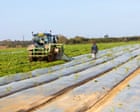
Run a combine harvester for a single day during peak season, and you'll watch hundreds of gallons of diesel vanish before your eyes. Now imagine waking up to find that fuel has spiked by ten percent in less than a week. That's the brutal reality hitting agricultural producers across the UK and the US right now.
Energy shocks rarely stay contained to oil markets. When crude prices climb because of escalating conflicts in the Middle East and ongoing supply restrictions from Russia, the blow lands squarely on the people who grow our food. It's a compounding crisis. You've got soaring wholesale oil costs colliding with tighter refining capacity, leaving farmers to absorb the damage while trying to manage tight operating margins. If you found value in this post, you should look at: this related article.
The Mechanics of the Diesel Crunch
Why does this happen so fast? Diesel powers almost everything on a modern farm. Tractors, irrigation pumps, grain dryers, and transport lorries all run on it. When Brent crude pushes past ninety-seven dollars a barrel, agricultural expenses jump overnight.
In the UK, red diesel used for off-road agricultural machinery climbed to roughly one pound ten pence a litre. That represents a sudden ten percent leap in just a few days. Across the Atlantic, the American Automobile Association reported that US diesel at the pump hit record highs of five dollars and eighty-five cents a gallon. For another perspective on this story, see the recent coverage from The Motley Fool.
This isn't just about crude oil getting pricier. Refining capacity is squeezed tight. Ukrainian drone strikes on Russian refineries pushed Moscow to extend existing export bans. Russia normally handles about ten percent of global diesel supply. Take that offline while shipping lanes through the Strait of Hormuz face severe security threats, and you get a textbook supply shock.
How Growers Are Adapting Their Buying Habits
When prices swing wildly, long-term budgeting goes out the window. If you run a farm business, you have to decide whether to buy fuel now or wait and risk an even worse spike.
Most agricultural co-operatives report a major shift in purchasing behavior. Instead of filling bulk storage tanks all at once, operators are buying in much smaller increments. They're trying to hedge their bets on a volatile market. It's a high-stakes guessing game. Buy too early, and you lock in peak rates. Wait too long, and you might not afford the fuel needed to prep fields for winter planting.
Cash flow takes a massive hit. Unlike retail businesses that can raise prices on store shelves the next morning, farmers operate on long production cycles. You can't just pass fifty percent higher energy costs onto a wholesale buyer tomorrow morning without breaking your contracts.
The Hidden Threat to Rural Heating
It's not just vehicles eating up the extra expense. Paraffin and heating oil used to warm barns, greenhouses, and rural farmhouses have nearly doubled compared to pre-conflict levels. With winter approaching, rural communities disconnected from the main gas grid face impossible choices. Filling a heating oil tank now costs nearly a pound a litre compared to sixty pence just months ago.
Delivery companies, construction firms, and local trades are feeling the squeeze too. But for primary food producers, thin margins mean there is very little cushion left.
Stop treating energy volatility as a distant geopolitical headline. It dictates what food costs at the checkout counter months down the line. Keep an eye on wholesale diesel futures and local agricultural co-op updates if you want to understand where inflation is heading next. Adjust your supply chain forecasts now before the next wave hits.