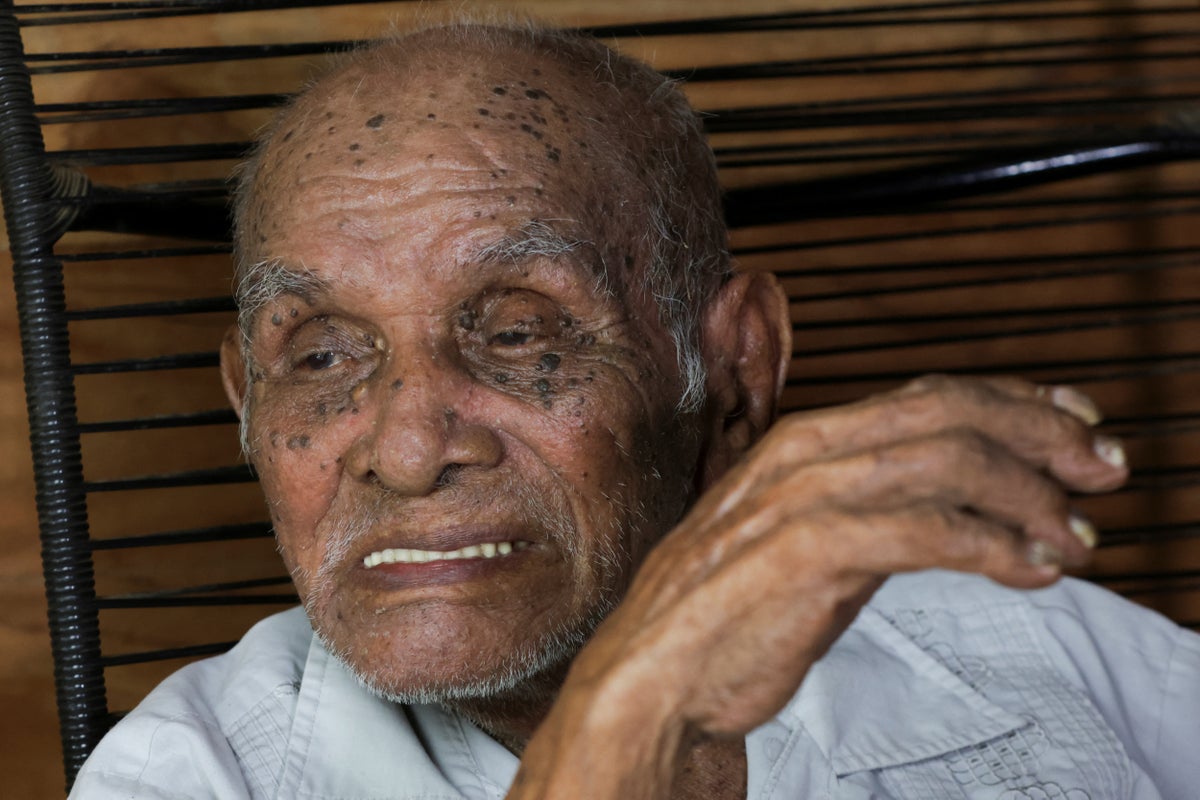
Meet Jose Flores. He lives in Sardinal, Costa Rica. He is 119 years old. While tech billionaires spend fortunes on cryogenic freezing and blood plasma swaps to squeeze out a few extra years, Flores spends his afternoons taking naps in a simple wooden house and arm-wrestling his granddaughter. Now, his family is pushing for formal international recognition to crown him the world's oldest living person.
Forget what you've heard about biohacking. The secret to hitting 119 isn't found in a high-end supplement stack or an expensive silicon valley clinic. It is hiding in plain sight within the Nicoya Peninsula, a pocket of the world where people routinely defy modern aging statistics.
The Reality Behind the Blue Zone Hype
Everyone loves a good Blue Zone story. We are told to eat beans, walk outside, and drink herbal tea, and suddenly we will live to a century. But reality is messier. Official civil and church records show Flores was born on July 11, 1907. His long life wasn't engineered by wellness influencers. He spent decades working as a farmer, sweating under the tropical sun, living a life of physical grit rather than leisure.
Research published via the US National Institutes of Health highlights that men in Nicoya possess a substantially higher statistical probability of reaching 100 compared to men in many industrialized nations. Lower cardiovascular mortality rates play a massive role. Yet, local health studies also point out that extreme old age doesn't mean perfect health. Issues like hypertension and vitamin D deficiencies still pop up among regional centenarians. Longevity isn't about escaping physical decline entirely; it is about outlasting it through sheer baseline resilience.
What Science Says About Nicoya DNA
Beyond the lifestyle claims, researchers have looked deeper into what makes this region an anomaly. Studies evaluating leukocyte telomeres—the protective caps on human DNA that shorten as we age—showed that older individuals from Nicoya often possess longer average telomeres than other populations in Costa Rica.
Genetic markers and ancestry analyses suggest a link between indigenous Amerindian heritage and extended lifespans in the area. But genetics alone don't write a 119-year script. If your environment and daily habits are completely detached from community support, your DNA can only carry you so far.
Why Belonging Matters More Than Biohacking
Listen closely to what the family says. Hellen Flores, his granddaughter and primary caregiver, puts it bluntly: without love, affection, and constant care, he wouldn't still be here.
Modern society isolates people. We stick aging parents in assisted living facilities and measure health strictly through wearable fitness trackers. In Sardinal, Flores remains embedded in a tight web of twenty-three grandchildren, twenty-five great-grandchildren, and a great-great-granddaughter. Jorge Vindas, founder of the Nicoya Peninsula Blue Zone Association, points out that low-stress routines, spirituality, and functional physical movement form the backbone of this longevity.
You cannot isolate yourself in a smart home, pop fifty vitamins a day, and expect to match that kind of vitality.
Practical Steps to Apply the Nicoya Mindset Today
You probably aren't moving to a Costa Rican farm tomorrow. You can still steal the core mechanics of what keeps people like Jose Flores alive past a century:
- Build physical labor into your day: Stop relying strictly on an intentional one-hour gym trip followed by ten hours of sitting. Move your body naturally throughout the entire day.
- Prioritize deep social ties: Isolation kills faster than poor diet. Cultivate daily interactions with people who actually care whether you show up.
- Eat unpretentious food: Lean into basic, minimally processed staples like beans, corn, and fresh local produce instead of chasing the newest hyper-processed diet trend.
- Drop the constant rush: Chronic stress erodes cellular health. Slow down your daily pace.
Stop looking for a magic pill in a laboratory. Look at your community, your daily movement, and how you treat the people right next to you.