When a multi-million-dollar warplane loses a wing on the ground, defense planners stop sleeping. That is the hard reality coming out of Muwaffaq Salti Air Base in Jordan, where a sudden nighttime strike caught American forces completely off guard and left prized tactical assets damaged.
You might think major military bases in the Middle East are impenetrable fortresses wrapped in layers of missile defense. But recent developments prove otherwise. Let us break down what actually happened during the US Jordan air base attack, how the iconic A-10 Thunderbolt took a direct hit, and what this means for regional security moving forward.
The Night the Base Shook
The attack on Muwaffaq Salti Air Base wasn't just a minor skirmish. It was a calculated strike that targeted the core of American tactical air power stationed in Jordan. According to reports from CBS journalist Jennifer Jacobs and Reuters, incoming projectiles pierced through dense air defense layers during the dead of night.
To counter the incoming barrage, US forces scrambled to fire over 30 Patriot interceptor missiles. Think about that volume for a second. Thirty high-end interceptors fired in a single engagement shows just how severe and saturated the incoming aerial threat was. Despite these countermeasures, the defense net leaked.
The Fate of the A-10 Thunderbolt and F-15 Jets
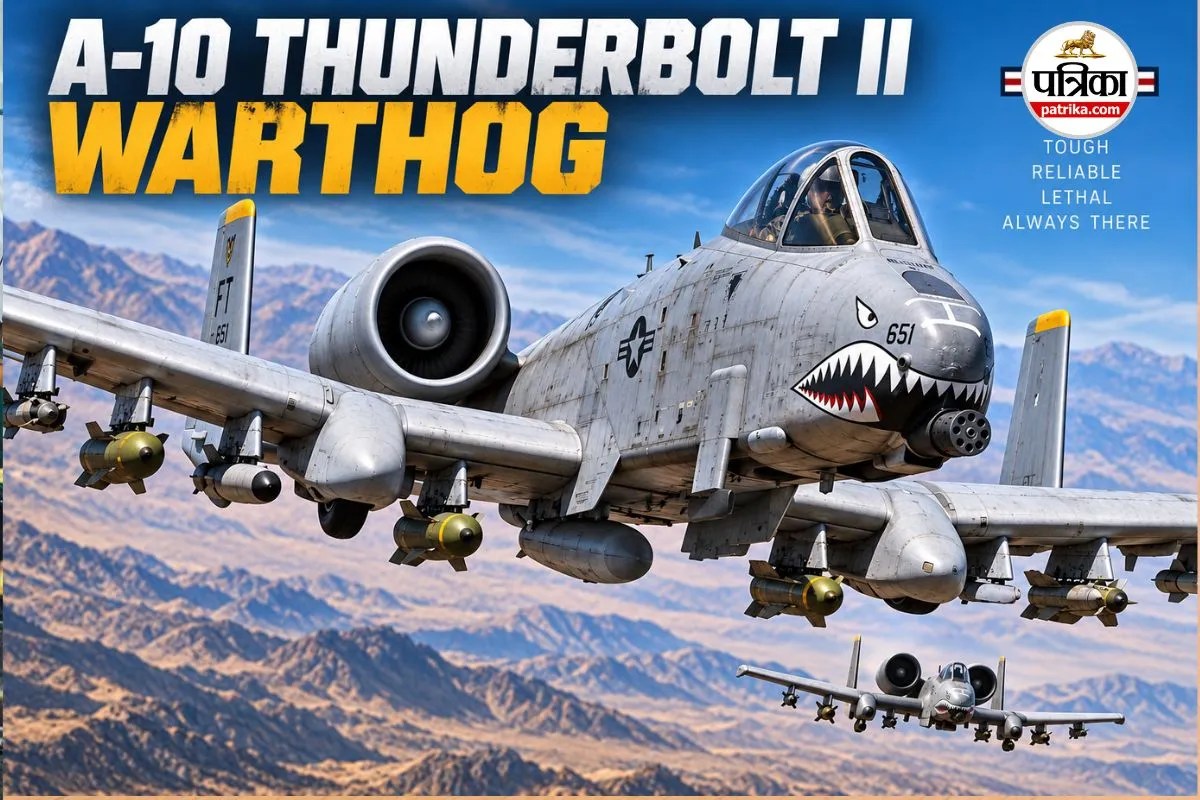
The most striking casualty of the incident was an A-10 Thunderbolt II. Famously nicknamed the Warthog, this heavy armor-killer is built like a flying tank. Yet, the blast shear was powerful enough to completely shear off one of its wings, rendering the airframe totally out of commission.
It did not stop with the A-10. Roughly eight F-15 strike eagles also caught shrapnel and concussive damage on the tarmac. While defense officials were quick to note that the F-15s sustained relatively lighter damage and were patched up to fly again, having nearly a dozen frontline fighters disabled simultaneously is a strategic nightmare.
- A-10 Thunderbolt II: Severe structural damage, missing a primary wing.
- F-15 Fleet: Up to eight jets impacted by shrapnel, later cleared for flight after quick maintenance.
- Defense Response: Over 30 Patriot missiles launched to mitigate total devastation.
Connecting the Dots With Regional Escalation
Why did this happen now? You have to look at the broader chess board. This strike didn't occur in a vacuum. It follows a sharp escalation between Washington and Tehran, triggered by maritime seizures and tanker operations in the Persian Gulf.
Reports indicate that shortly before the Jordan base incident, American assets targeted Iranian oil tankers. The Islamic Revolutionary Guard Corps (IRGC) retaliated soon after, claiming responsibility for sweeping strikes that hit multiple naval vessels and the strategic facility in Jordan.
While exact details of the damage are tightly managed by military officials, the strategic implication is clear. Jordan is a crucial staging ground for US operations across the Middle East. When adversaries successfully land hits on these logistics hubs, the myth of absolute regional deterrence takes a massive hit.
What Happens Next
Military analysts are already rethinking forward-operating base vulnerability. Relying on massive concentrations of high-value aircraft in single locations is becoming an expensive gamble. Dispersal tactics and hardened bunkers will likely replace traditional tarmac parking.
Keep an eye on how Washington adjusts its air defense posture in Jordan over the coming weeks. If these strikes continue to find gaps, expect a complete overhaul of how the US protects its multi-role fighters on foreign soil.