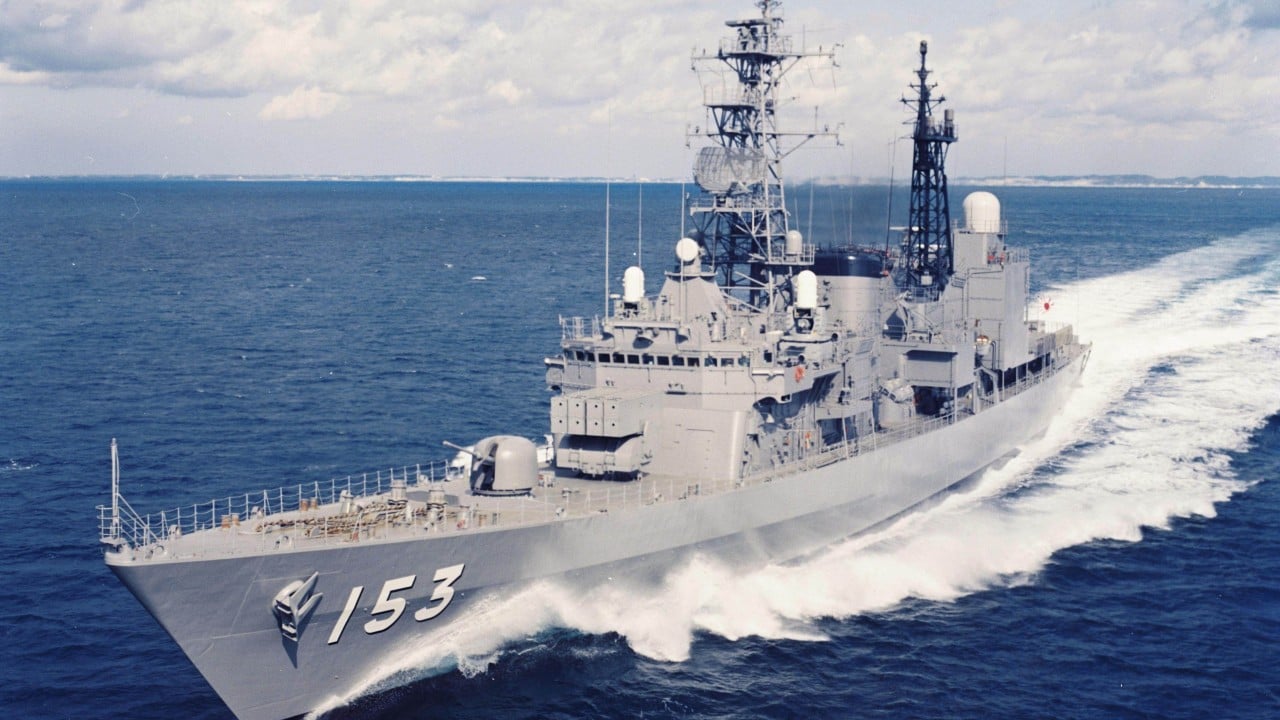
Tokyo is quietly dismantling decades of self-imposed pacifism, and the shift goes far beyond buying new missiles or building stealth aircraft. Prime Minister Sanae Takaichi's cabinet recently scrapped rigid export restrictions that once limited overseas military sales to non-lethal gear like rescue helicopters and mine-sweepers. Now, Japan can export lethal systems, including retired destroyers and advanced naval hardware.
If you look past the legal jargon, this move is a calculated chess piece designed to box in Beijing. By transferring ageing yet highly capable warships to key maritime partners in Southeast Asia, Tokyo is turning surplus naval assets into diplomatic muscle.
The Policy Shift That Changed Everything
For generations, Tokyo's post-World War II constitution and the strict Three Principles on Transfer of Defense Equipment kept the nation's defense industry bottled up at home. Japan could build world-class destroyers and submarines for its own Maritime Self-Defense Force, but selling or transferring them abroad was basically off-limits.
That wall came down when the cabinet updated the implementation guidelines. The old rulebook restricted exports to five narrow, non-lethal categories. The new framework splits military equipment into two clear buckets: weapons and non-weapons. Lethal hardware can now flow directly to the 17 nations holding Equipment and Technology Transfer Agreements with Tokyo, including crucial regional partners like the Philippines, Indonesia, and Australia.
This isn't about profit. Japan's defense contractors aren't trying to become global merchants of death. Instead, Tokyo is solving a strategic dilemma: how to bolster friendly navies facing heavy pressure in contested waters without triggering direct military escalation.
Why Retiring Hulls Matter for Regional Security
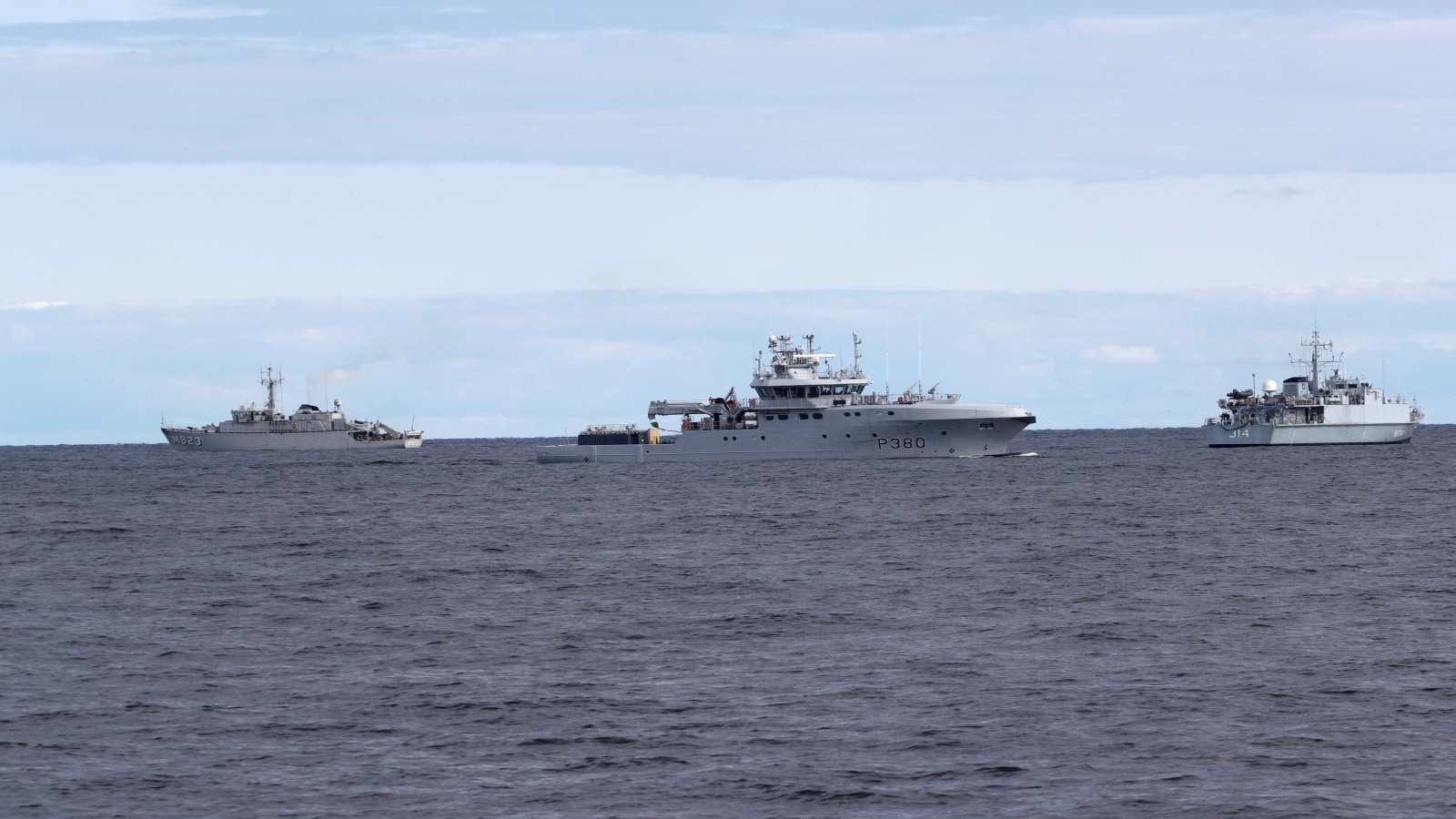
When a Japanese destroyer reaches the end of its service life for the MSDF, it's often still in remarkably good condition compared to the older patrol vessels operated by developing maritime nations in the Indo-Pacific. Keeping these hulls within friendly navies creates immediate operational value.
Take the Philippines and Indonesia. Both nations deal with relentless incursions by Chinese coast guard and maritime militia vessels across the South China Sea. Their existing fleets often lack the endurance, electronic warfare suites, and sea-keeping abilities needed to maintain a persistent presence in rough offshore waters.
Handing over well-maintained, retired Japanese destroyers or offering joint upgrades changes the math completely. A seasoned warship equipped with modern radar and communication gear instantly upgrades a partner nation's capacity to track, deter, and respond to grey-zone tactics.
Weaving a Multi-Nations Defense Web
Beijing's primary strategic advantage in Asian waters has always been scale. China's shipbuilding output dwarfs almost everyone else combined, allowing the People's Liberation Army Navy to outnumber and out-muscle regional competitors over time.
Tokyo cannot match that raw tonnage alone, but it doesn't have to. By recycling its capable surplus hulls and integrating regional navies into shared logistics and maintenance chains, Japan is helping build a collective deterrent network. When Manila, Jakarta, and Canberra operate equipment that shares technological DNA with Japanese systems, interoperability skyrockets. Joint patrols, shared intelligence, and combined exercises become infinitely easier to execute.
Critics at home warn that these exports strip away Japan's moral high ground as a pacifist state and risk fueling regional arms races. Conservative lawmakers counter that sitting back while maritime routes are choked off is a far greater risk to an island nation dependent on open trade.
Tokyo's strategy is clear. By converting ageing warships into regional strategic assets, Japan is turning old steel into a modern shield against rising dominance.