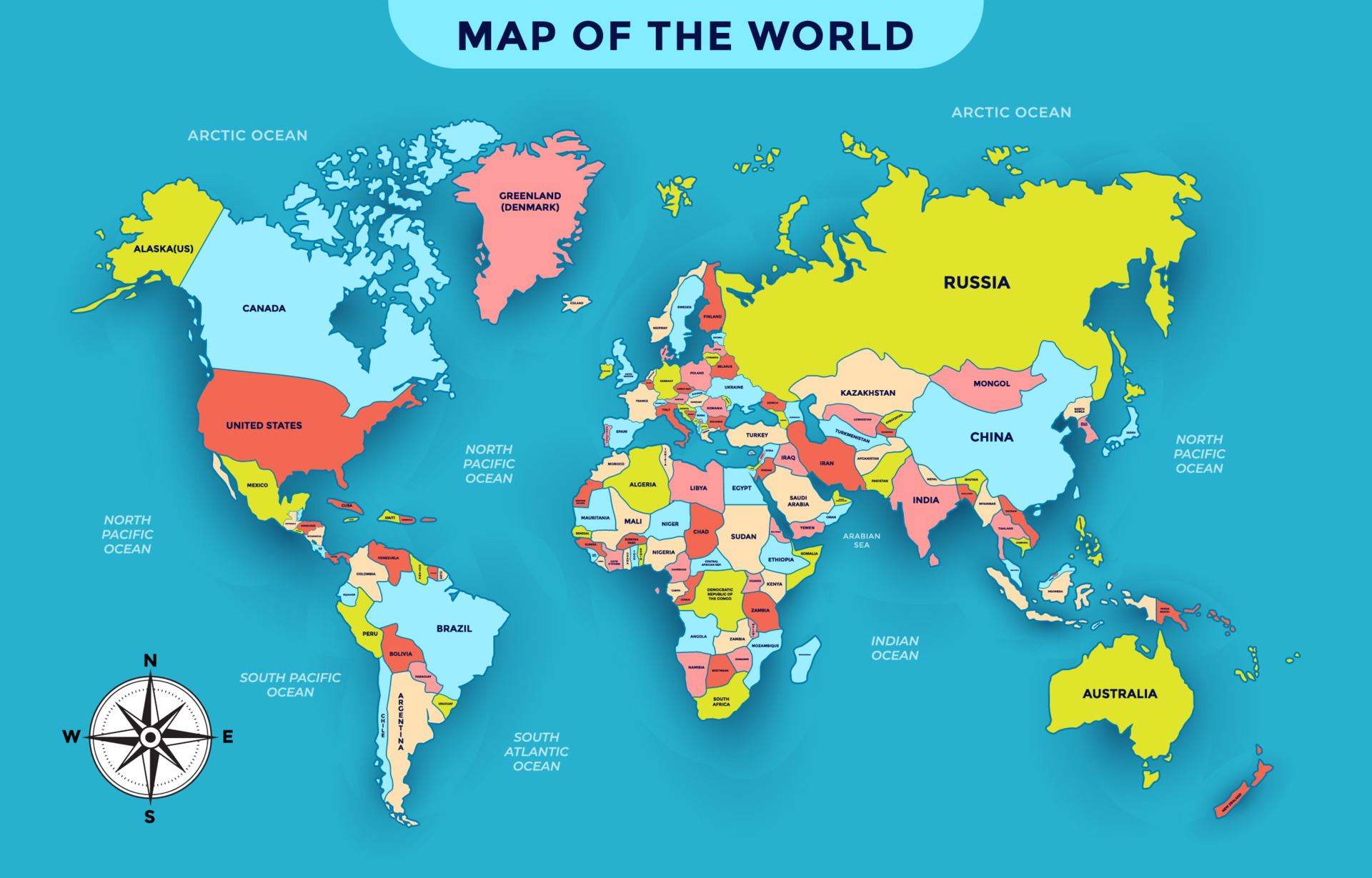
Geopolitical chess moves often hide the simplest truth right in plain sight. When Iranian President Masoud Pezeshkian stated, "We are not at war with Saudi Arabia," during an interview on the sidelines of the BRICS summit in New Delhi, he wasn't just offering a standard diplomatic talking point. He was trying to draw a hard line between official state policy and regional proxy friction that continues to threaten stability in the Middle East. If you look past the headlines about recent Houthi escalations, you will see a deliberate push from Tehran to keep channels open with Riyadh.
Tensions have flared up again due to cross-border military actions involving the Houthis and Saudi positions, including strikes in southern Saudi Arabia that left numerous people injured. Yet, Pezeshkian chose to openly distance Tehran from those specific actions, noting bluntly that the Houthis have their own problems. This distinction matters because it highlights the limits of Iranian control over its regional network and signals that Tehran wants to protect its diplomatic thaw with Saudi Arabia from being derailed by militia-led flare-ups.
The Push for a Regional Security Framework
Instead of leaning into conflict, Pezeshkian pitched a broader security architecture. He argued that regional heavyweights like Iran, Saudi Arabia, Turkey, and Pakistan should sit down together to hammer out a joint peace framework.
Think about how European nations eventually built economic and security cooperation after centuries of brutal warfare. That is the exact historical parallel Pezeshkian invoked. He stressed that Middle Eastern countries can maintain their individual national interests while establishing basic mechanisms for cooperation, trade, and border safety.
This isn't happening in a vacuum. During that same trip to India, Pezeshkian held direct talks with Abu Dhabi Crown Prince Sheikh Khaled bin Mohamed bin Zayed Al Nahyan. These high-level meetings show that Tehran is actively trying to mend fences across the Persian Gulf, even as sporadic missile and drone incidents test the patience of neighboring capitals.
What This Means for the Future of Gulf Diplomacy
You have to ask yourself what Tehran stands to gain by softening its tone. Sanctions bite hard, domestic economic pressure is relentless, and isolation doesn't pay the bills. By assuring Riyadh that there is no active war between the two nations, Pezeshkian is signaling that economic survival and regional integration take priority over endless proxy sparring.
Of course, words are cheap in international relations. Saudi officials will measure Tehran's sincerity by concrete actions on the ground, particularly regarding restraint from allied armed groups in Yemen and Iraq. But making the distinction public is the first step toward keeping the peace alive.
If you want to understand where Middle Eastern politics is heading next, keep an eye on whether these proposed regional security talks move past rhetoric into actual diplomatic frameworks. The desire for stability is real, but turning that desire into lasting policy remains an uphill battle.
Iran President Pezeshkian Departs New Delhi After BRICS Summit
This video captures Iranian President Masoud Pezeshkian's departure from New Delhi following the BRICS Summit where he made key diplomatic statements regarding regional security.