Rough seas and 10-foot waves changed everything for the passengers aboard the Virgo Transport 8. When the passenger and cargo ship lost contact early Sunday morning in the Java Sea, it kicked off a massive, high-stakes rescue operation that left over a hundred people missing and families waiting anxiously at the port of Banjarmasin.
The vessel had departed from Surabaya in East Java on Saturday, carrying 243 people—213 passengers and 30 crew members—along with dozens of vehicles. It was heading toward Banjarmasin on Borneo island. Instead of a routine arrival, the journey hit a tragic wall of severe weather. The captain issued a distress message reporting that the ship was listing heavily before communications went completely dark.
What Actually Happened on the Water
Authorities quickly mobilized after the ship's operator raised the alarm. According to Indonesia's search and rescue agency, Basarnas, aerial inspections revealed a grim reality: the ferry hadn't sunk entirely, but was floating upside down in the Java Sea, roughly 92 miles from its destination.
Search teams deployed multiple vessels and aircraft to scour the area. Waves reaching up to 2.5 to 3 meters high complicated the rescue effort, making conditions treacherous even for larger enforcement ships. By Sunday afternoon, rescue crews managed to pull survivors from the water, while recovery operations began for those who didn't make it.
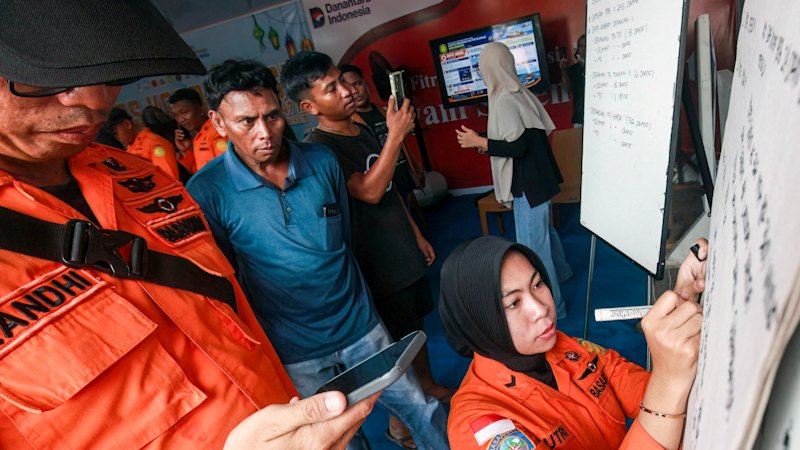
Families quickly flooded the Trisakti port in Banjarmasin, crowding around command centers and staring desperately at handwritten survivor lists and passenger manifests. The emotional toll on relatives highlights the human cost behind every maritime disaster in the region.
Why Indonesia Keeps Facing Maritime Tragedies
This disaster isn't an isolated incident. Indonesia is an archipelago made up of more than 17,000 islands, meaning millions of people rely on ferries and passenger ships as an affordable, everyday mode of transport. Air travel simply isn't an option for many locals looking to cross between islands.
However, systemic safety issues continue to plague the sector. Enforcement of maritime regulations is frequently lax, and overloaded manifests are common practice. When severe weather hits these busy shipping lanes, the combination of heavy cargo, vehicle loads, and sudden storms creates a recipe for disaster. Just weeks prior, another ferry fire near Bali left several dead and missing, proving that maritime safety improvements are painfully slow to materialize.
As search teams continue combing the choppy waters around the capsized hull of the Virgo Transport 8, the focus remains entirely on finding any remaining survivors before time runs out.