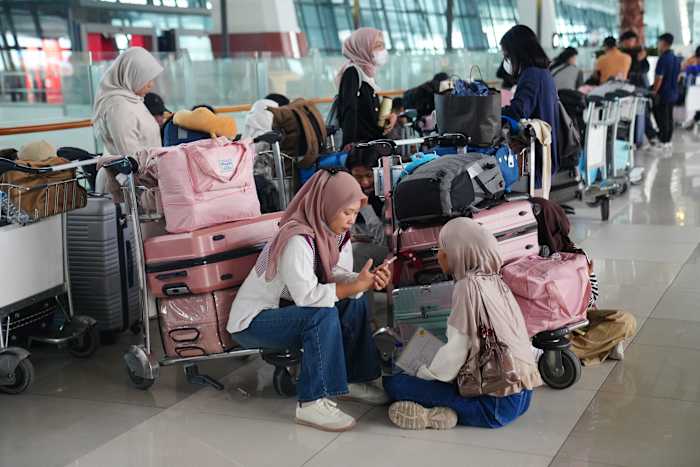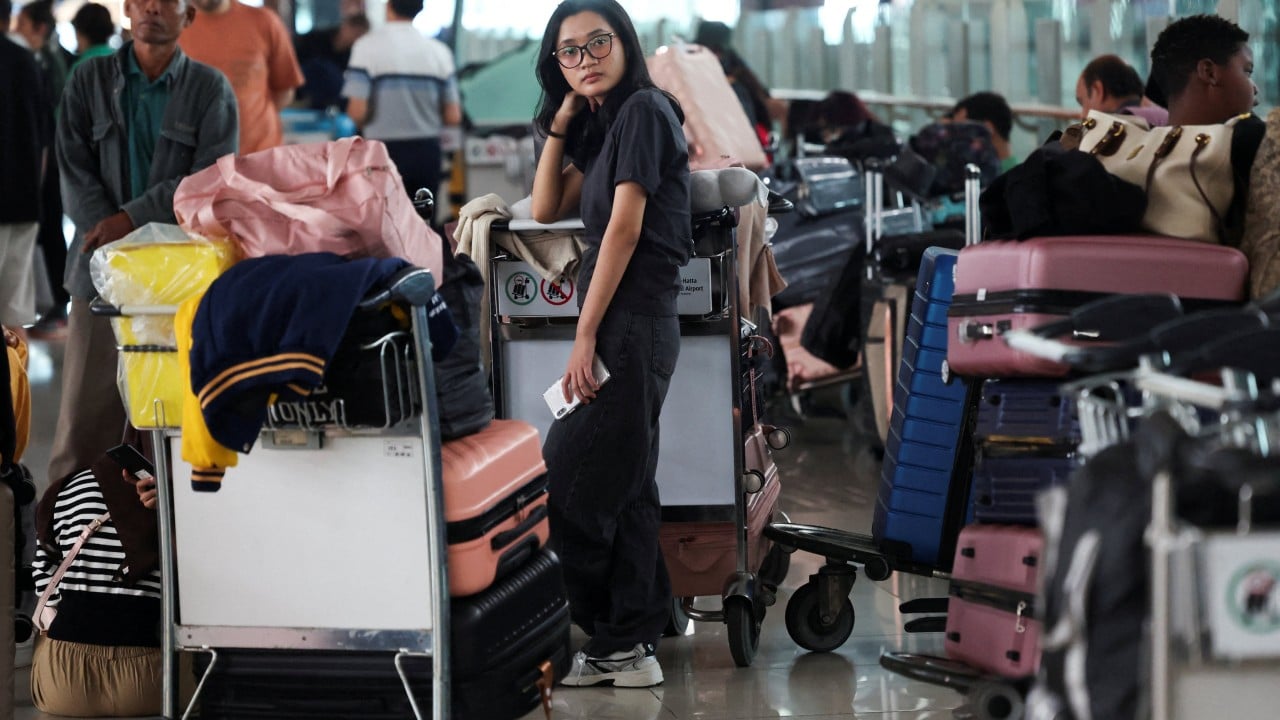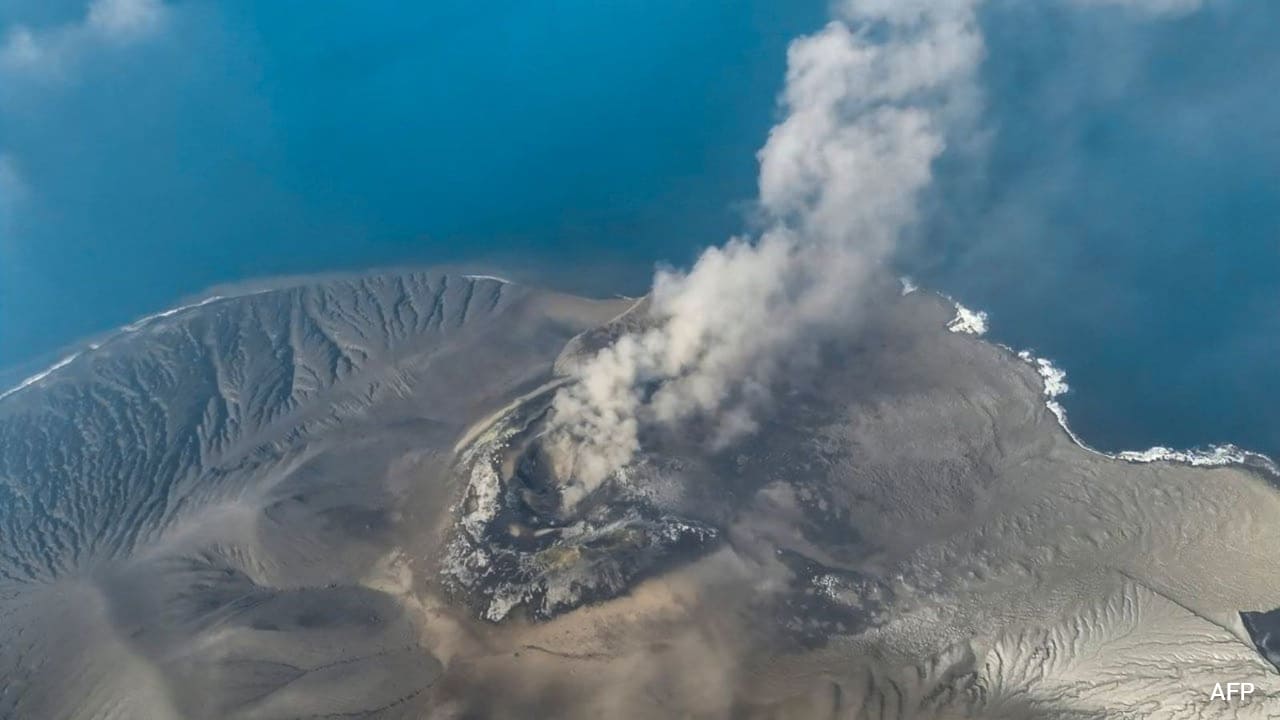
When Mount Anak Krakatoa starts throwing massive pillars of ash and molten rock into the stratosphere, modern aviation halts immediately. You can't negotiate with a volcano, and airlines don't get to gamble with airspace safety. Recently, a sudden round of violent eruptions across the Sunda Strait forced Indonesian authorities to slam the brakes on air travel, grounding flights and leaving about 170,000 passengers stranded across multiple hubs.
Soekarno-Hatta International Airport in Jakarta and seven other regional airfields were forced to close their gates as drifting ash threatened engine intake systems. If you're wondering why a single geological event thousands of meters in the air can paralyze an entire nation's transportation grid, the answer lies in how jet engines interact with microscopic glass shards.
The Hidden Danger Inside Volcanic Ash Clouds
Most travelers assume volcanic ash is just harmless soot or campfire dirt you can simply wipe off a windshield. It is anything but that. Volcanic ash consists of crushed, jagged fragments of rock, minerals, and glass particles.
When a commercial jet engine sucks these abrasive particles into its core—which runs at temperatures exceeding 2,000 degrees Fahrenheit—the reality turns catastrophic. The silicate glass melts instantly inside the combustion chamber. It then coats the turbine blades, cools down, and solidifies into a glass-like shell.
This process chokes off airflow, starves the engine of oxygen, and causes total engine flameouts. Aviation history has terrifying precedents for this. In 1982, a British Airways Boeing 747 accidentally flew into an unmapped ash cloud from Mount Galunggung in Indonesia. All four engines failed simultaneously, plunging the aircraft from 37,000 feet down to near-disaster before the crew managed to restart them in the cooler air below.
That single incident permanently changed how global aviation treats volcanic hazards. Modern aviation authorities don't wait for planes to drop out of the sky. They shut down airspace the moment satellite data and ground sensors confirm active ash dispersion.
The Immediate Impact On Fliers And Logistics
When eight airports shut down simultaneously—including vital hubs like Husein Sastranegara in Bandung and Radin Inten II near Lampung—the ripple effect across domestic and international routes is instantaneous. More than 1,500 flights faced immediate delays or cancellations.
Travelers found themselves camping out in terminal lobbies or desperately refreshing booking apps to secure scarce alternative seats. Yet, unlike man-made airline strikes or IT meltdowns, dealing with nature's wrath usually mutes passenger fury. When you look up and see the sky choked with gray fallout, complaining to a gate agent feels entirely pointless. Most people simply resign themselves to multi-day hotel extensions and rearranged itineraries.
Beyond the terminals, the fallout forces cities like Jakarta to adapt overnight. Local governments suspended physical classes, moving schools to online instruction to protect children from breathing microscopic particulate matter that can scar human lung tissue.
Living On The Pacific Ring Of Fire
Indonesia sits directly on the Pacific Ring of Fire, a horseshoe-shaped basin notorious for intense tectonic plate collisions. This geological reality powers earthquakes and volcanic activity on a daily basis. Mount Anak Krakatoa itself—meaning the "Child of Krakatoa"—emerged from the ocean caldera left behind by the legendary 1883 cataclysm that claimed tens of thousands of lives.
Because Anak Krakatoa sits right in the narrow strait separating Java and Sumatra, any spike in its seismic behavior immediately threatens maritime shipping lanes and coastal communities alongside regional airspace. While volcanologists from Indonesia's geological agency monitor tremors around the clock, predicting the exact timing or magnitude of the next explosion remains impossible.
What You Should Do If Your Flight Hits Volcanic Disruption
If you're booked on a flight through Southeast Asia or any volcanically active region, standard travel insurance policies often treat natural disasters under specific "act of God" clauses. You need to know how to navigate these disruptions without losing your money or your sanity.
- Check carrier waiver policies immediately: Airlines usually issue travel waivers allowing you to rebook or claim full refunds without penalty once an official airport closure hits the news.
- Avoid booking tight international connections: If you're transiting through Jakarta or Denpasar during an active seasonal eruption cycle, build a 24-hour buffer into your itinerary.
- Monitor direct aviation notices: Rely on official airport social media channels rather than third-party booking apps for real-time runway status updates.
Volcanoes dictate their own schedules. Respect the airspace closures, keep your travel documents handy, and always pack essential medications in your carry-on bag when flying through active tectonic zones.