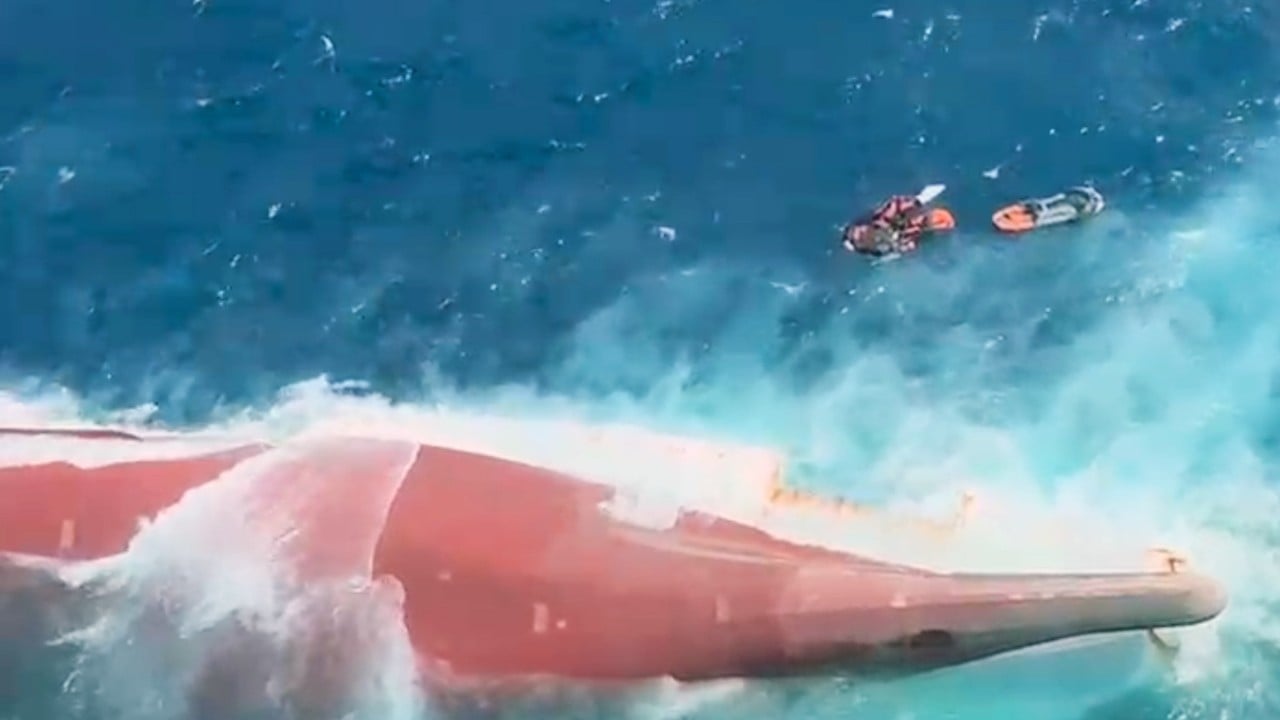
When the passenger ferry Virgo Transport 8 went dark in the Java Sea, it triggered a familiar, tragic cycle across the Indonesian archipelago. Six people are confirmed dead and over 130 remain missing after the vessel capsized in rough weather while carrying 243 people from Surabaya to Banjarmasin.
Families are once again crowding port command centers in South Kalimantan, staring at whiteboards to see if their loved ones survived. But anger is rising alongside the grief. How many disasters will it take before maritime safety gets fixed?
The Cost of Relying on Fragile Sea Routes
Indonesia spans more than 17,000 islands. For millions of residents, ferries aren't a leisure choice or a scenic cruise; they are the primary, affordable public transit system. Air travel is simply out of reach for everyday travelers.
Because demand is constant, oversight often slips. The Virgo Transport 8 incident is far from an isolated event. Just weeks before, a ferry fire in the Lombok Strait forced hundreds to evacuate, leaving casualties in its wake. Another vessel sank near Selayar Island south of Sulawesi.
When you pack hundreds of passengers and dozens of vehicles onto ageing ships—like the Japanese-built Virgo Transport 8, which had been in service since the late 1980s—you are playing Russian roulette with passenger lives.
Where the System Keeps Failing
The structural issues plaguing Indonesian maritime transport run deep.
- Manifest Discrepancies: Official manifests routinely fail to match the actual headcount on board. Rescuers often find themselves guessing how many people are actually missing.
- Weather Vulnerability: Operating older ships through notoriously rough waters like the Java Sea without strict adherence to weather warnings invites disaster. Waves reaching 2.5 to 3 meters routinely overwhelm rescue operations and imperil vessels.
- Enforcement Gaps: Rules exist on paper, but regulatory bodies struggle with consistent enforcement across thousands of remote ports.
Transport Minister Dudy Purwagandhi and the national search and rescue agency, Basarnas, mobilized dozens of ships and helicopters to scour the choppy waters around the capsized hull. Yet, rescue workers note that high winds and dangerous currents make approaching the wreck nearly impossible without risking more lives.
Moving Beyond Empty Promises
Every time a major ferry accident hits the headlines, officials promise immediate investigations and stricter oversight. Then the news cycle shifts, and the underlying laxity returns.
If Indonesia wants to protect its citizens, the changes cannot stop at temporary fleet inspections after a catastrophe. It requires a complete overhaul of licensing, mandatory real-time digital passenger manifests, and zero-tolerance policies for overloading vessels during severe weather seasons.
Until accountability replaces excuses, the sea lanes connecting these islands will remain perilous.