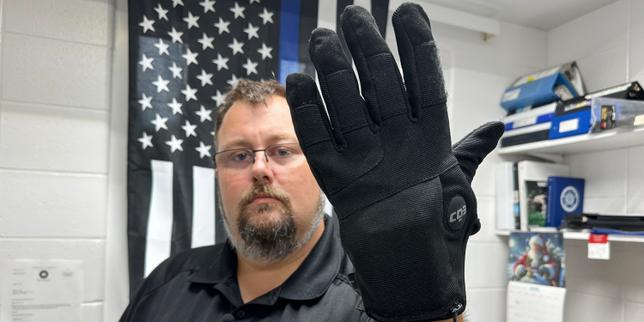
Immigration enforcement in the United States is getting a high-tech upgrade that looks straight out of a dystopian thriller. The Department of Homeland Security recently revealed plans to spend up to $20 million on specialized handwear for Immigration and Customs Enforcement agents. These aren't standard winter gear. They are electronic restraint tools designed to deliver painful electric shocks directly to people during field encounters.
When federal agencies introduce pain-compliance tools into civil operations, the stakes change instantly. You need to understand what these devices actually are, how they function in real scenarios, and why critics are sounding emergency alarms across the country. Meanwhile, you can read other stories here: Why Viral Cruelty Videos Trigger Police Investigations Across Hong Kong.
What Are These Electric Shock Gloves
Known officially as GLOVE, which stands for Generated Low Output Voltage Emitter, the technology is manufactured by Compliant Technologies based in Kentucky. To the casual observer, they look like ordinary patrol gloves. They fit tightly, look professional, and function normally until an officer flips a switch on the back.
Once activated, the surface of the glove transmits a sharp electrical pulse upon direct contact with bare skin. The manufacturer brands them as a conductive distraction and de-escalation device rather than a weapon. Proponents argue that the sensation feels comparable to a sharp bee sting, designed to break physical resistance within seconds without leaving permanent marks, burns, or scars. To see the full picture, check out the recent report by Associated Press.
They require direct skin contact to work. Heavy clothing, thick jackets, or dense fur block the current entirely. That technical limitation means they're built specifically for close-quarters physical struggles, like pulling a resisting person out of a vehicle or pinning someone during a scuffle in a confined space.
The Push for Compliance and the $20 Million Question
The procurement notice outlines a massive financial investment ranging from $10 million to $20 million to outfit field personnel and criminal investigators by March. Supporters maintain that these tools give physically outmatched officers a safe way to neutralize aggressive behavior without resorting to lethal force or traditional heavy-handed baton strikes.
Federal leadership frames the purchase as a necessary safety measure for personnel facing hostile environments. Critics see a completely different picture. Civil rights organizations point out that ICE operates under intense political pressure to meet aggressive daily arrest quotas. When agents are pushed to deliver high numbers of detentions, friction on the ground increases.
Giving agents an invisible, low-visibility tool to inflict sharp pain opens a massive door for potential abuse. Unlike a visible firearm or a bulky taser, an electric glove looks like nothing at all until it touches flesh. That hidden nature strips away visual accountability during stressful confrontations.
Safety Guardrails Versus Field Reality
The manufacturer publishes clear rules on paper. The guidelines state that the gloves should never be used as a form of punishment, nor should they target people who are merely shouting insults or showing verbal defiance. Strict warnings also restrict their use on vulnerable populations, including pregnant individuals, children, the elderly, and people with documented medical disabilities. Protocols mandate that shocks should never exceed fifteen seconds.
Rules written in corporate manuals rarely match the chaos of a sudden street raid. ICE agents already face severe public scrutiny over accountability, oversight, and use-of-force incidents during vehicle stops and home encounters. Introducing a pain-compliance tool into an agency with a contentious track record creates an immediate crisis of trust.
When officers carry a device that causes intense localized pain with the flick of a thumb switch, the threshold for physical escalation drops dangerously low. Oversight mechanisms must track every single activation to ensure these guidelines hold up under pressure. Right now, transparency remains scarce.
The rollout moves forward regardless of public outcry. Watch how federal oversight committees respond as these items land in the hands of field agents this spring.