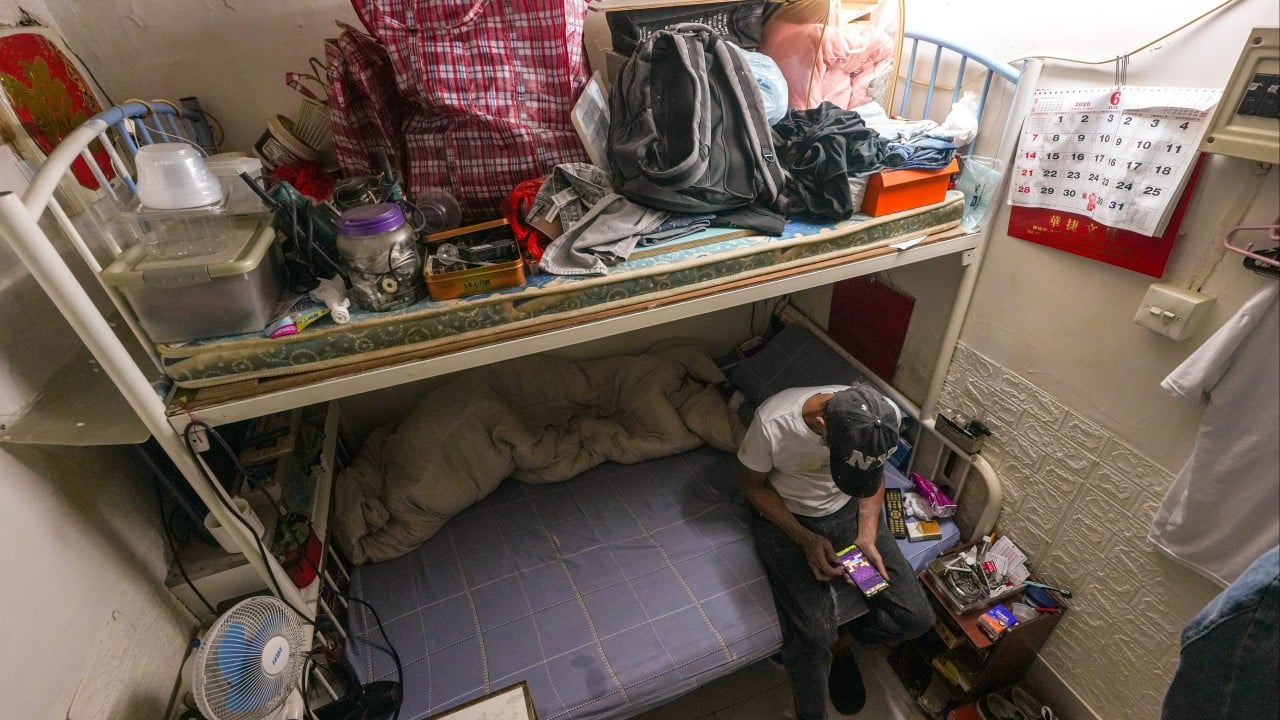
Hong Kong's rental market is undergoing a massive shift. Operators holding over 60 percent of the city's subdivided flats have already applied for a three-year grace period to meet strict new housing standards. Housing chief Winnie Ho recently confirmed that applications cover more than 70,000 subdivided units across roughly 20,000 complete flats. Landlords are scrambling to comply with the Basic Housing Units Ordinance before enforcement ramps up.
If you own or rent property in the city, this massive regulatory pivot demands your attention. Let's look at what is actually happening behind the numbers and why the rush to register changes everything for tenants and operators alike.
The Reality Behind the Grace Period Rush
The government's new regime targets substandard urban living conditions by establishing clear minimum standards for what counts as a legal basic housing unit. These rules require a minimum floor area of eight square metres, individual toilets, and proper windows.
Instead of forcing an immediate and chaotic crackdown, authorities introduced a 48-month transitional structure. Landlords have a 12-month window to register their pre-existing units. Successfully registered flats then unlock a 36-month grace period to carry out necessary renovation works.
With more than 60 percent of operators jumping in early, it is clear that property owners want to avoid severe penalties. Operating an illegal, unregistered subdivided flat after the deadlines will bring heavy prosecution and criminal liability. Early applications also give operators access to fee waivers, which explains why filings surged so quickly in districts like Yau Tsim Mong, Sham Shui Po, and Hong Kong Island East.
What Property Owners Keep Getting Wrong
Many operators treat registration as a mere administrative box-ticking exercise. That mistake proves costly. Renovating an older tenement flat to meet the eight-square-metre threshold and installing individual sanitary facilities requires professional architectural and engineering input.
Common missteps include:
- Underestimating structural load limits when adding independent plumbing.
- Ignoring window ventilation compliance rules.
- Waiting until the final months of the registration window, thereby missing fee discounts.
If you are managing units, don't assume structural alterations are simple. Working with authorized persons early prevents expensive rework later.
What This Means for Tenants
Tenants living in subdivided housing face an anxious period of transition. While the rules aim to eliminate squalid living conditions, construction work inside occupied buildings creates daily disruptions.
The legislation does build in safeguards. For existing tenancies, security of tenure rules remain active to protect vulnerable households. Furthermore, the government points to expanding options like Light Public Housing and transitional housing to absorb any residents displaced by long-term structural upgrades.
Landlords who fail to secure recognition risk automatic termination of tenancies and potential civil debt claims from affected renters. The days of unregulated, substandard urban cubicles are coming to an end. Compliance is no longer optional. Review your building specs, file your paperwork, and complete your renovations before the countdown runs out.
Owners face challenges when upgrading subdivided flats into Basic
This video explores the practical engineering hurdles and challenges landlords face while upgrading subdivided units to meet compliance standards.
http://googleusercontent.com/youtube_content/1


