Disaster doesn't wait for bureaucracy. When a catastrophic flash flood tore through the border region of Nepal, destroying homes and cutting off vital routes in the Rasuwa district, the immediate aftermath was pure chaos. Hundreds of lives vanished overnight, leaving families and foreign governments scrambling for answers.
When major crises strike high-altitude border zones, local emergency systems face immediate strain. That's why international intervention matters right away.
The Reality on the Ground in Nepal
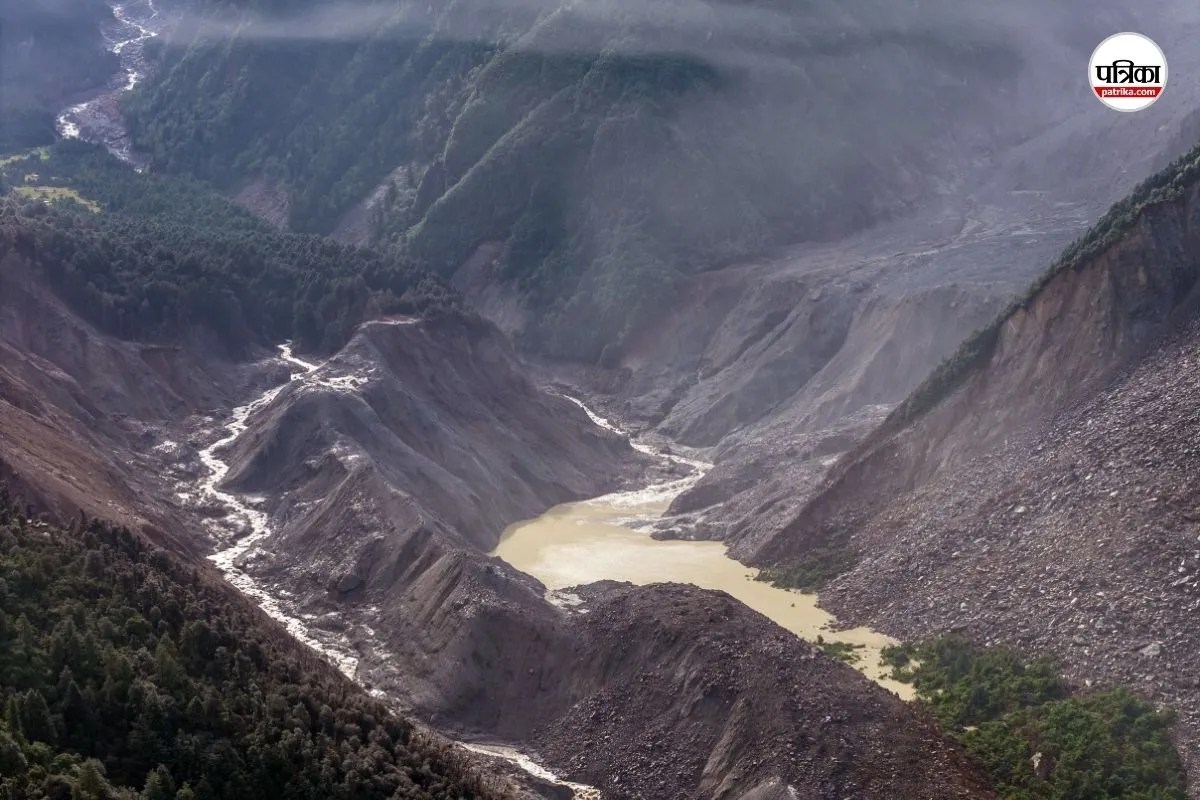
You don't understand the scale of a mountain flash flood until you see how quickly entire communities vanish under mud and rushing water. The Bhote Koshi disaster triggered massive mudslides, driving death tolls up into the hundreds while leaving nearly a thousand people unaccounted for.
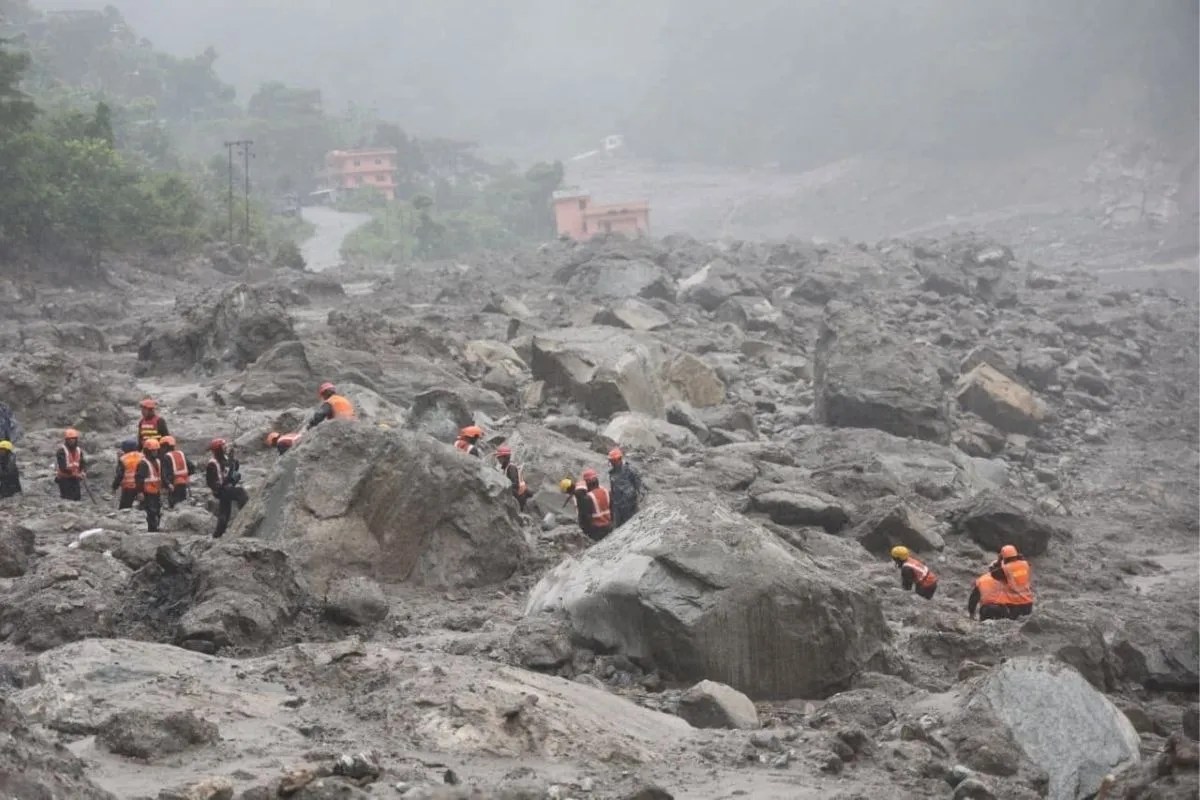
What makes this specific crisis uniquely complex is the high proportion of foreign nationals and expats caught in the path of destruction. Nepal's National Disaster Risk Reduction and Management Authority (NDRRMA) reported a staggering number of missing individuals, including tourists and international workers. Local rescue teams were instantly overwhelmed, pushing the government to deploy every available resource just to clear blocked terrain and search ruined infrastructure.
When you're dealing with remote, rugged terrain where roads are washed out, traditional ground transport stops working. Helicopters and specialized teams become the only lifeline.
How Global Partners Are Responding
The international community didn't wait around. The United States quickly stepped up, announcing a direct deployment of $500,000 in humanitarian assistance aimed straight at the hardest-hit communities. US Under Secretary of State for Political Affairs Allison M. Hooker confirmed the immediate financial deployment while coordinating directly with Nepal's Foreign Minister Shisir Khanal to locate missing American citizens.
At the same time, the World Health Organization didn't waste a second. WHO Director-General Tedros Adhanom Ghebreyesus mobilized the organization's local office to dispatch vital emergency medical supplies. Medicines, trauma kits, and multipurpose tents hit the ground to keep health services running even as clinics and regional infrastructure lay damaged.
UK leadership also voiced deep concern. King Charles III and Queen Camilla shared a public statement expressing profound sorrow for the families affected, specifically honoring the police and armed forces personnel who lost their lives while performing courageous rescue duties.
Organizing the Search for Missing Nationals
When hundreds of foreign citizens go missing in a localized weather event, consular chaos follows fast. Nepal's Ministry of Foreign Affairs established an Emergency Response Team specifically to handle information verification and consular assistance.
If you have loved ones traveling through or working in Nepal, tracking them down means navigating a tight web of local authorities, embassy liaisons, and disaster command centers. The Ministry is utilizing all available state resources to streamline identification, but the sheer volume of missing persons makes every hour critical.
Search operations continue across the affected border zones. Medical teams remain stationed in makeshift camps to treat survivors, while engineering units battle damaged terrain to reopen access routes. Disaster response in these environments takes a massive toll on local resources, making foreign financial aid and medical logistics vital to keeping rescue efforts alive.