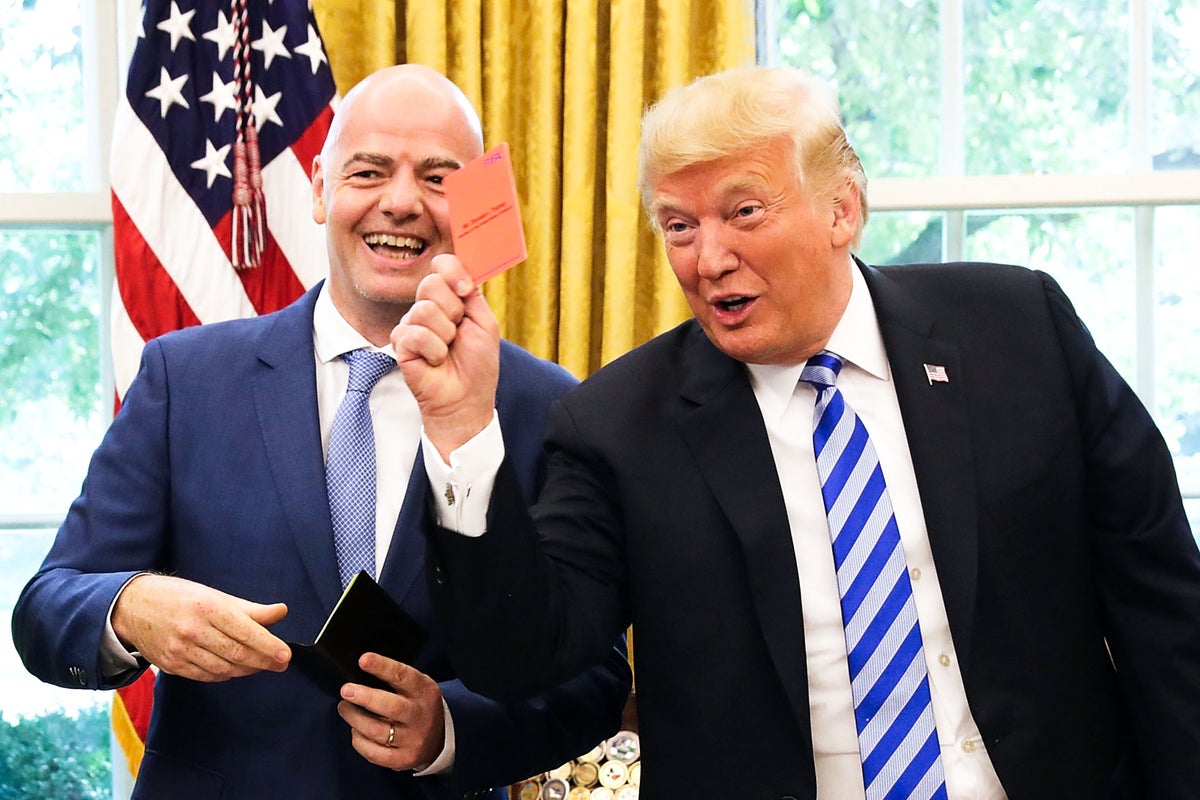
Gianni Infantino just stiff-armed the United States government. He didn't show up. He didn't send documents. He simply let a congressional deadline pass into total silence.
Back in late July, Democratic Representative Jamie Raskin fired off a formal inquiry letter targeting Fifa's leadership. The investigation zeroed in on a sustained campaign by soccer's governing body to curry favor with Donald Trump. The allegations point to dropped corruption cases and soaring ticket prices gouging American fans during the summer World Cup. Raskin gave the Fifa president until August 9 to reply, turn over files, and arrange an interview. Don't miss our earlier coverage on this related article.
August came and went. Nothing happened. Because the inquiry came without a subpoena attached, Infantino faced zero immediate legal consequences for blowing it off. It is a classic power play from a sports executive who operates on a global stage largely immune to domestic political crosshairs.
The Pressure Mounting Beyond Washington
While ignoring Capitol Hill is easy, Infantino faces real organizational bleeding on multiple other fronts. The US snub is just one minor theater in a much larger war. To read more about the background here, CBS Sports offers an excellent breakdown.
Just days after Raskin's letter went public, financial reports exposed Infantino's push to spin off commercial and operational arms of tournaments into a private company called Fifa Forward Enterprise. Continental confederations revolted instantly. Uefa declared it had entirely lost confidence in his leadership. Under heavy resistance, Infantino pulled the plug on the plan by August 1.
That retreat didn't stop the fallout. Uefa wants an independent, external investigation and is exploring avenues within the Swiss legal system to look into potential criminal proceedings. Meanwhile, the Belgian football association started taking legal steps over a controversial one-match ban suspension for US forward Folarin Balogun that let him play against Belgium during the World Cup knockout rounds.
The Re-Election Battleground
Infantino still wants another four-year term next March. Right now, he is sitting as the sole declared candidate, but the landscape is cracking. Uefa vowed to construct a credible alternative candidate before the November 18 submission deadline.
Opposition is loud, but it is not universal. Infantino retains heavy backing across parts of Asia and the Middle East, meeting recently with leaders from Kuwait, Iraq, Qatar, Saudi Arabia, and the UAE. Even inside Concacaf, traditional blocs have splintered, with nations like Mexico throwing weight behind the incumbent president despite broader regional tensions.
What Happens Next
Fifa is barreling toward its next structural headache, including feasibility studies on expanding upcoming World Cup tournaments to an absurd 64 teams.
If you run an organization or track sports governance, the lesson here is simple. Global sports bodies operate inside a legal gray zone where political oversight often lacks teeth unless backed by hard criminal subpoenas. Watch the November 18 candidate deadline closely. That is the exact moment we find out if Uefa can actually field a viable challenger or if Infantino stays firmly in control of world football.


