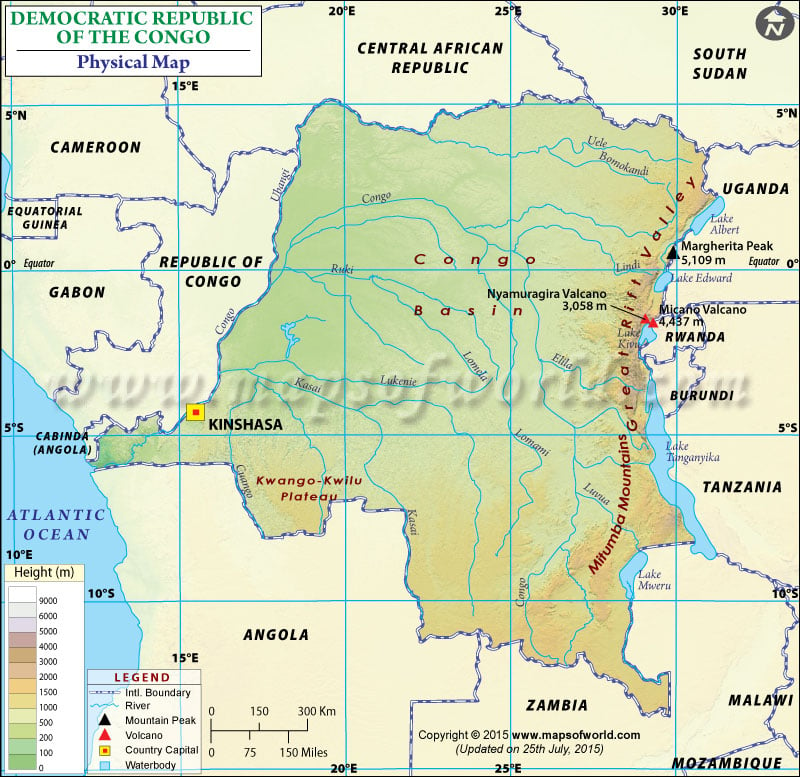
Diplomats love a clean table in Switzerland, but eastern Congo doesn't work that way. When delegations from the Democratic Republic of the Congo and Rwanda sat down in Geneva for the Joint Security Coordination Mechanism talks, the contrast with reality on the ground couldn't have been starker. While officials debated security frameworks, heavy fighting continued across North and South Kivu, reminding anyone paying attention that paper agreements rarely stop bullets.
If you're wondering whether these Geneva negotiations can actually break the endless cycle of war in eastern Congo, the honest answer is no. Not by themselves, anyway. The diplomatic tracks are fractured, the core grievances run back decades, and the people living through the violence are tired of waiting for promises that never materialize into safe streets.
The Two-Track Problem Everyone Ignores
You can't understand the current diplomatic push without looking at its structural flaw. The international community has split the crisis into two distinct rooms. Geneva handles state-to-state relations between Kinshasa and Kigali, focusing heavily on the 2025 Washington Accords and subsequent frameworks. Meanwhile, a separate track mediated by Qatar deals with the conflict between the Congolese government and the AFC-M23 alliance.
These tracks exist on paper, but they bleed into each other on the ground.
Rwanda points to the continued presence of the Democratic Forces for the Liberation of Rwanda, known as the FDLR, as an existential security threat near its border. Kinshasa counters that Kigali uses the FDLR threat as a smoke screen to back the M23 rebels who control massive swathes of territory in the east. When Goma fell to M23 in January 2025, it shattered whatever fragile trust remained between the two governments.
Trying to solve the Rwanda-DRC state rivalry while ignoring the M23 territorial footprint is like trying to fix a leaking roof by painting the living room ceiling. You might like the color, but the water keeps pouring in.
What’s Actually on the Table in Switzerland
The talks in Geneva center on two major uncompleted tasks from the Washington agreements: the total neutralization of the FDLR by Kinshasa, and the rolling back of defensive measures and military presence by Rwanda.
The DRC government presented a disarmament, demobilization, and reintegration plan for the FDLR, hoping to show tangible progress. Kigali rejected the approach, arguing that the peace deal demands complete dismantling rather than piecemeal relocation or localized negotiations with rebel remnants.
Without an independent verification mechanism that both sides actually trust, every skirmish turns into a shouting match. One side reports a ceasefire violation; the other calls it a fabrication. When you lack a shared version of reality, agreements break down before the ink dries.
Why Local Residents Are Losing Patience
Diplomats talk about frameworks, roadmaps, and regional economic integration. Civilians in Goma and surrounding provinces talk about displaced families, destroyed farmland, and the constant hum of uncertainty.
Pro-democracy activists in Kinshasa and local civil society voices in the east have made it clear that another round of hotel meetings in Europe means nothing to someone sleeping in a displacement camp. Sadiki Bitha, a Goma resident who lived through the city's capture, points out that the real measure of success isn't a joint communiqué. Success is whether people can farm their land without getting shot at.
Herve Amani, a local activist, argues that dialogue is always better than escalation, but he cautions against treating Geneva as a magic wand. It’s an opportunity to lower the temperature, nothing more. It won't erase decades of deep-seated suspicion, and it won't force armed groups to lay down their weapons overnight.
Where the Process Goes From Here
If Geneva is going to avoid the fate of previous diplomatic efforts, the mediators from the United States, Qatar, Togo, and the African Union need to shift their focus from signing texts to enforcing compliance.
The upcoming trilateral planning conference scheduled for October will test whether both countries can actually produce a revised, workable operations order on the ground. Until then, expecting a breakthrough in Geneva is a mistake.
Keep your eyes on the borderlands, not the conference rooms. Real peace in eastern Congo won't be born in Switzerland. It will only happen when the men with guns decide that talking is more profitable than fighting, and right now, we are a long way from that point.
Stop waiting for external saviors to fix a regional catastrophe. Keep track of independent verification reports, watch the local ground movements in North and South Kivu, and look past the diplomatic spin coming out of international capitals.