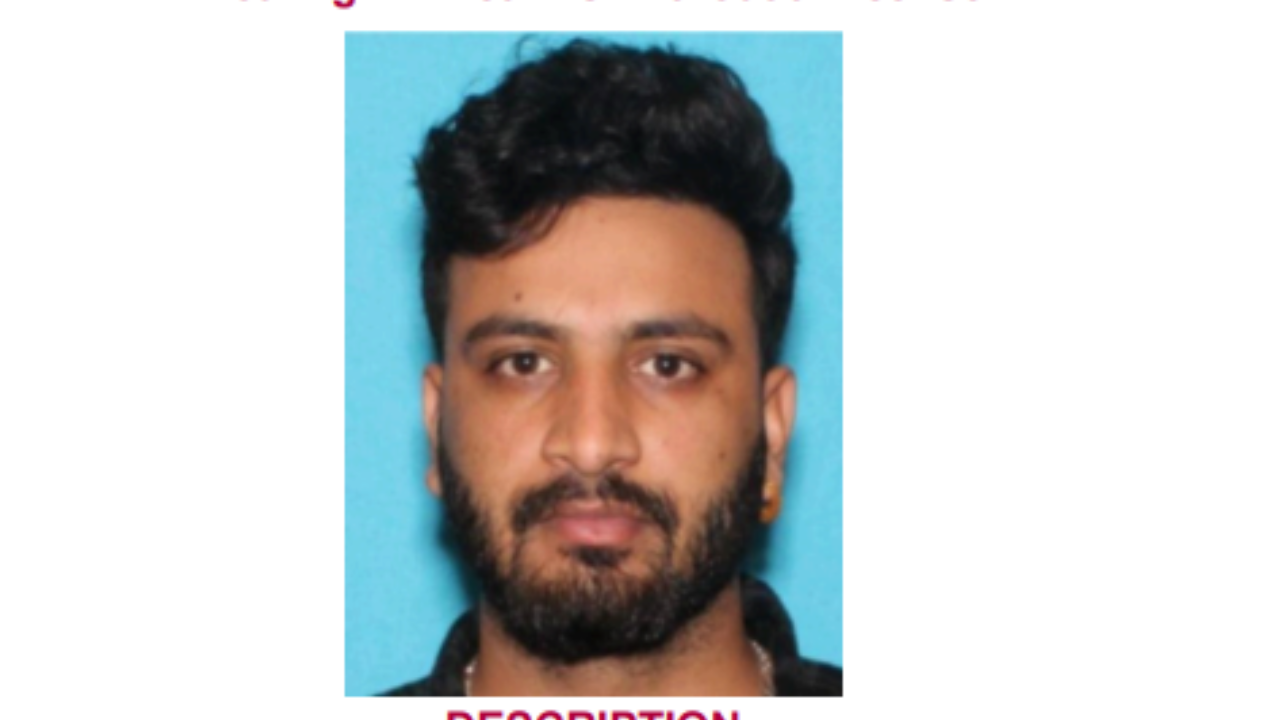
The FBI doesn't put someone on a "Most Wanted" list because they’re bored. They do it because that person represents a clear, active, and persistent threat to American safety. When Major Singh—a 29-year-old Indian national—was officially added to the list this June, it wasn’t just a bureaucratic update. It was a signal that federal authorities are escalating their fight against transnational organized crime syndicates bleeding into the United States.
If you’re wondering why this specific name is making waves, it’s not just about one man. It’s about the Jaggu Bhagwanpuria gang and how these groups have successfully pivoted from regional conflicts in Punjab to racketeering and firearms trafficking on American soil.
The Real Charges Behind The Hunt
It's easy to dismiss these headlines as "international news" that doesn't affect the average person. That’s a mistake. The charges against Singh are concrete. A federal arrest warrant issued on June 25, 2026, explicitly names him for his alleged role in a conspiracy to violate the Racketeer Influenced and Corrupt Organizations (RICO) Act.
Basically, the FBI views this organization not as a loose collection of street thugs, but as a structured criminal enterprise. Singh is also linked to a conspiracy involving the illegal, unlicensed trade of firearms.
This isn't just about smuggling weapons. It’s about moving illicit inventory through California and other parts of the US. When an organization of this scale sets up shop, they bring systemic violence, extortion, and drug distribution networks with them. By putting Singh on their radar, federal investigators are trying to dismantle the infrastructure that supports these operations.
Why This Matters In 2026
We've seen a shift in how crime operates. It isn't localized anymore. The Jaggu Bhagwanpuria gang is a textbook example of a transnational entity that treats national borders like open gates.
Earlier this year, authorities launched Operation Hardball. This wasn't a small-town police raid. It was a massive, multi-national crackdown involving agencies across the US, Canada, and Europe. They arrested 24 people, including 11 in California alone. The Department of Justice has charged 37 individuals in this wider investigation.
You should know that the FBI doesn't broadcast these names unless they have exhausted traditional methods. When they make an individual a high-priority target, they’re effectively inviting the public to participate in the hunt. They’re looking for any intel that could lead to his arrest. If you’ve seen him or know his whereabouts, the FBI isn’t asking for your opinion. They want actionable leads.
How The FBI Operates In These Cases
If you have information, don’t take it upon yourself to play detective. The FBI has a specific, secure channel for this. You can contact your nearest FBI field office, reach out to the nearest US embassy or consulate if you’re abroad, or submit a tip through their official online portal.
They emphasize that these tips are handled with extreme caution. The goal here is disruption. They want to cut the head off the snake. These transnational groups rely on obscurity to operate. By shining a massive spotlight on someone like Singh, they make it exponentially harder for them to move, recruit, or profit within our borders.
What You Should Take Away
Organized crime is evolving. The days of thinking about criminal syndicates as isolated, regional problems are over. Whether it’s money laundering, illegal firearms, or human trafficking, these networks are becoming increasingly global.
The inclusion of Singh on the most wanted list is a reminder that federal agencies are paying close attention to these transnational ties. They aren't just watching from the sidelines. They are actively tearing down the networks these gangs rely on.
If you’re interested in tracking how this plays out, keep an eye on Department of Justice announcements regarding Operation Hardball. That’s where the real story is—not just in the posters or the headlines, but in the slow, methodical dismantling of a criminal enterprise that thought it could operate without consequence in the United States.
Stay alert. The justice system works best when it has the right information. If you have it, submit it, and move on. Don't engage with these elements directly. Leave that to the people paid to handle it.