The phone doesn't ring. It just sits there, a silent reminder of a terrifying physical distance. When catastrophic flash floods tore through the Himalayan border region between Nepal and China, they didn't just wash away roads and homes—they severed communication lines, plunging families into an agonizing blackout.
Foreign Affairs Minister Anita Anand confirmed that one Canadian citizen previously listed among the missing has been located and found safe. Communication outages were to blame for the initial silence. But relief is short-lived for the broader community. Exactly 29 other Canadians and permanent residents remain unaccounted for, caught in a disaster zone where infrastructure collapse makes every hour feel like a week.
The Reality on the Ground
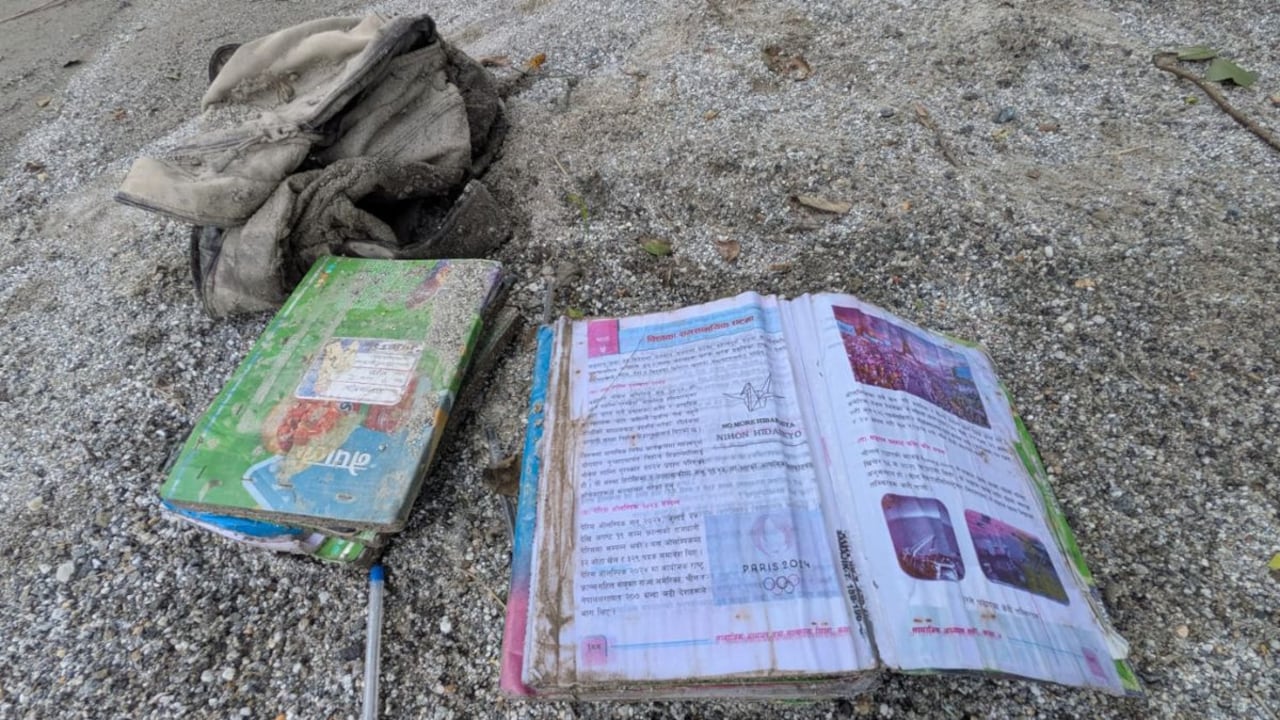
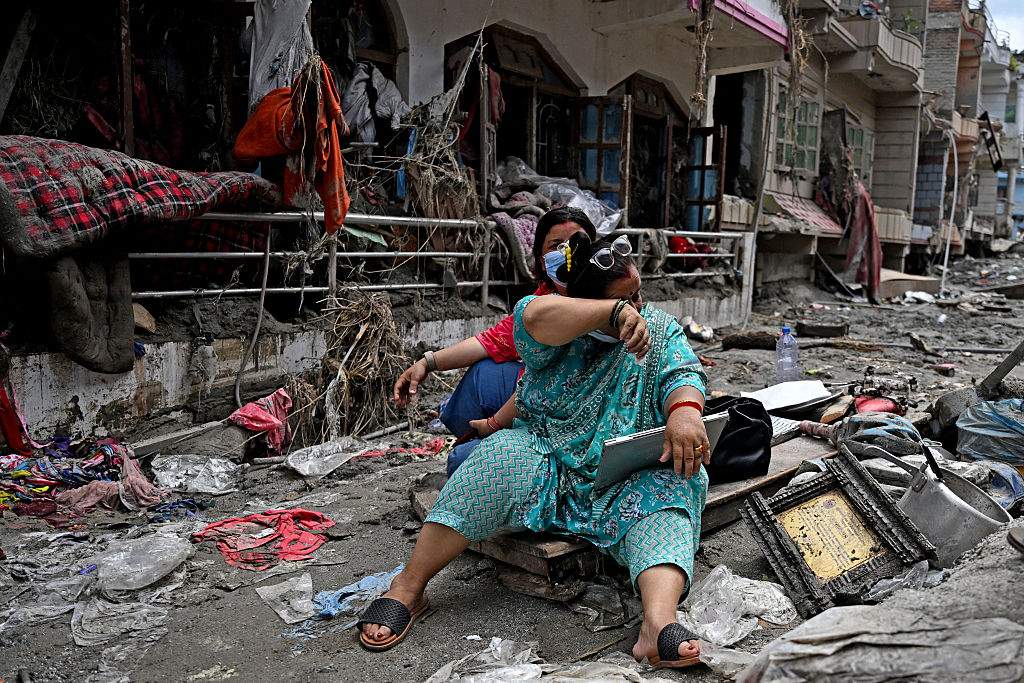
If you've ever tracked a loved one through a crisis zone, you know the helplessness. The sheer scale of the August 26 disaster is staggering. A glacier collapse triggered sudden, violent flooding that left over 1,200 people dead and thousands more missing.
Rescue teams are fighting uphill battles. Military and private helicopters are trying to reach isolated pockets in districts like Nuwakot, but mud-caked debris and washed-out bridges block the way. In towns like Devighat, the Trishuli river banks are lined with the skeletal remains of buildings.
Families aren't just sitting back waiting for government updates, either. Relatives in Canada have taken to scouring local Nepalese police portals, internet forums, and social media groups. Some have flown directly to Kathmandu, searching hospitals and shelters personally, only to find roads locked down by military checkpoints.
What Ottawa Is Doing Now
The federal response involves a mix of financial aid and logistical deployment. Ottawa has pledged $5 million in humanitarian assistance. More tangibly, over 18,000 emergency supply items—including solar lights, hygiene kits, and emergency shelters pulled from Canadian Red Cross stockpiles—are moving toward the impacted zone.
Global Affairs Canada is coordinating with local authorities to collect DNA samples and phone geolocation data to help identify recovered victims. It's a grim logistical task. Local police in Kathmandu have even had to bury unidentified bodies in temporary trenches because morgues are entirely overwhelmed.
How to Track Information or Get Help
If you're searching for a loved one caught up in the Nepal and Tibet region floods, the process requires patience and persistence.
- Contact Global Affairs Canada: Ensure your case file is open and updated with the latest personal numbers, itinerary details, and physical descriptions of your missing family members.
- Monitor Local Channels: Nepal's foreign ministry and local disaster management agencies update registries frequently as foreign nationals are rescued or accounted for. Roughly 324 foreign nationals have been rescued so far, but nearly 590 remain missing from 39 different countries.
- Prepare for DNA Verification: If requested by consular officials, be ready to provide DNA samples quickly to speed up identification protocols.
The situation changes daily. Numbers fluctuate as remote areas finally regain power and network access. Keep your lines open.
Missing Canadian in Nepal found safe, 29 remain unaccounted for
This video provides a concise overview of the ongoing search efforts and the status of the remaining missing Canadians following the disaster.
http://googleusercontent.com/youtube_content/1