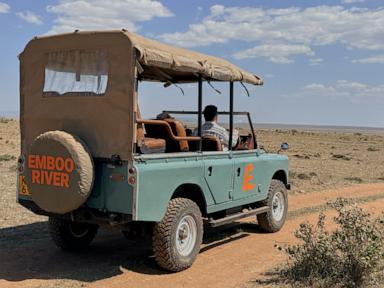
You can hear a predator's breath over the quiet hum of a battery. Traditional safari trucks roar through the brush with deafening combustion engines, scaring away wildlife and burning imported diesel. That is changing fast. In Kenya's Maasai Mara, conservationists and rangers are swapping noisy fuel-guzzling transport for solar-charged electric mobility.
Electric mobility in Africa is no longer just an urban experiment for congested city streets. It is taking root in the wild.
Why the Bush is Going Electric
For park rangers like Joshua Kijape, who patrols the Mara-Siana area attached to Entumoto Safari Camp, silent transport changes the entire game. For over a year, Kijape has ridden an electric motorcycle built locally by Nairobi-based ROAM. Without engine noise, he can approach wildlife safely and sneak up on poachers without warning.
Think about the logistics of running a remote camp. Petrol has to travel all the way from the port of Mombasa across hundreds of miles of rough terrain just to fuel a fleet of bikes and trucks. It is expensive, inefficient, and terrible for the carbon footprint of an eco-reserve.
Switching to solar changes the economics entirely. You capture power from the sun right where you are.
The Numbers Behind the Switch
Let's look at the real costs. Converting a standard, petrol-powered safari vehicle to electric runs between $35,000 and $45,000. That sounds steep until you factor in the long-term savings. According to operators like Loic Amado, co-founder of Emboo River Camp and EERA LAB, the investment pays for itself in roughly two and a half to three years through slashed fuel costs and minimal maintenance requirements.
Electric motors have far fewer moving parts than internal combustion engines. Dust, rough tracks, and muddy river crossings destroy traditional gearboxes quickly. Electric setups handle the beating much better.
ROAM's flagship e-bike covers about 160 kilometers, roughly 100 miles, on a single charge. Because the bikes plug straight into standard 10-amp sockets, charging stations do not require massive grid connections. Small, modular solar and battery setups handle the job easily.
Overcoming the Real Challenges
It isn't all smooth riding. Scaling electric mobility in remote ecosystems comes with distinct hurdles.
- Infrastructure gaps: Longer patrols mean rangers need reliable charging nodes spaced out along remote routes.
- Upfront capital: Small conservation groups often struggle to secure the initial $35,000+ per vehicle conversion cost without external backing.
- Rugged terrain testing: Extreme heat, heavy rains, and relentless dust put immense strain on battery management systems.
Companies like ROAM and EERA LAB treat the Maasai Mara as an ultimate engineering proving ground. If a machine survives the brutal dust and long distances of the Mara during the Great Migration, it can handle almost anywhere.
Beyond Conservation Parks
The ripple effect goes beyond high-end eco-lodges and ranger patrols. Local communities living near wildlife zones heavily depend on motorcycles for daily transport because rural roads are often terrible. When electric options become affordable and reliable, rural mobility transforms.
Major operators are noticing. Companies like Asilia, managing around twenty lodges across East Africa, have integrated electric fleets. Tech solutions are following suit, with custom software dashboards tracking real-time solar generation, water usage, and vehicle charging metrics.
The energy transition in Africa isn't waiting for massive state-owned grid overhauls. It is happening on the ground, powered by sunshine and necessity.