Ebola scares people. It should. But right now, the narrative coming out of Central Africa deserves a much closer look.
When you hear about an outbreak in the Democratic Republic of the Congo, the automatic reaction is panic. The media loves a doomsday headline. Yet, the reality on the ground tells a far more nuanced story. Public health officials are seeing genuinely encouraging signs in the DR Congo Ebola fight, and it is time to understand why this response is working differently.
The Ground Truth on Containment
Let's cut through the noise. According to updates from the World Health Organization led by figures like Tedros Adhanom Ghebreyesus, transmission rates are slowing down in key areas. That is not an accident. It is the result of hard-won lessons from past outbreaks.
You cannot fight a virus like Ebola with bureaucracy. You have to fight it with speed, trust, and boots on the ground.
- Rapid response teams are deploying faster than ever before.
- Community engagement has replaced heavy-handed mandates.
- Vaccination campaigns are targeting high-risk rings immediately.
When local populations trust healthcare workers, everything changes. People stop hiding symptoms. They seek treatment early. Early treatment equals survival. Simple as that.
What Most People Get Wrong About Outbreaks
People assume that stopping an epidemic is purely about medicine. It is not. It is about logistics and human behavior.
Imagine trying to deliver temperature-sensitive vaccines through dense jungle terrain while managing community skepticism. It is messy. It is exhausting. Medical workers face resistance, misinformation, and logistical nightmares daily.
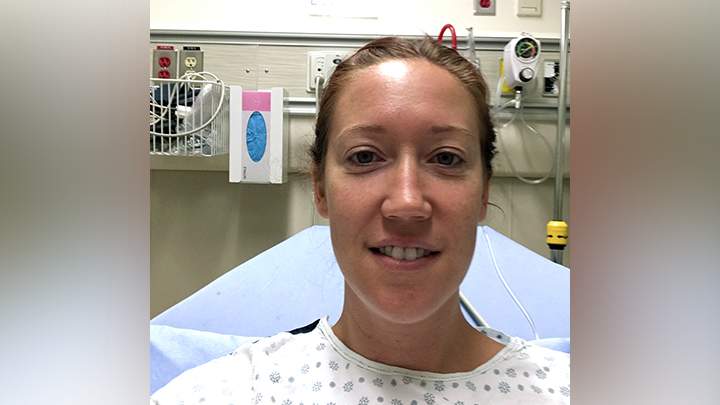
Yet, recent recoveries and discharges of frontline healthcare workers from treatment centers prove that medical interventions work when deployed correctly. Surviving this virus is entirely possible now. The fatality rates that terrified the world decades ago are dropping because care protocols have massively improved.
The Persistent Threats We Cannot Ignore
Optimism is fine, but blind optimism kills. Officials are quick to warn that a downward trend does not mean the battle is over.
Surging cases can pop up anywhere if surveillance drops for even a single week. Contact tracing is a tedious, relentless job. If one infected individual slips through the cracks, the fire reignites. That is why organizations keep pushing for sustained funding and international support. You cannot pull back resources just because the curve flattens.
Practical Takeaways for Global Health Monitoring
If you want to track how these health crises actually resolve, stop reading sensational summaries. Look at the data points that matter.
- Watch the velocity of contact tracing: Are new cases linked to known chains of transmission, or are they appearing out of nowhere?
- Monitor community trust metrics: Are treatment centers welcoming patients early, or are people delaying care?
- Check supply chain stability: Do local clinics have continuous access to personal protective equipment and cold-chain storage?
The progress in Central Africa proves that human resilience paired with modern science can push back even the most feared pathogens. Support the systems that work on the ground, listen to local medical experts, and keep paying attention before the headlines fade away.
Encouraging signs in DR Congo Ebola fight
This video provides an overview of the slowdown in DR Congo's Ebola outbreak and highlights the current response measures.
http://googleusercontent.com/youtube_content/1