Agriculture has a root problem, quite literally. For generations, traditional crop breeding focused almost exclusively on what happens above ground. We wanted bigger stalks, heavier pods, and resistance to surface-level pests. Meanwhile, roots were treated as an afterthought—just an underground anchor to keep the plant from tipping over.
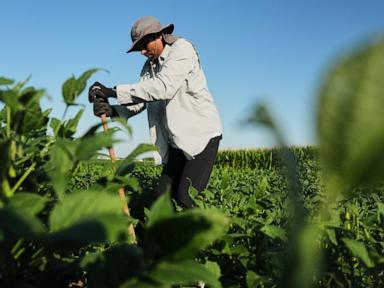
That mindset is shifting fast. At research plots across the Midwest, scientists are digging into dirt to unearth something radically different: soybeans with roots that plunge straight down instead of spreading out sideways. Behind this work is a stubborn hope that engineering plants with deeper roots can help agriculture survive extreme weather while burying carbon miles away from the atmosphere.
The Hidden Mechanics of Deep Roots
Standard soybean plants grow shallow, branching root systems that stay near the topsoil. That works fine in a normal year with steady rainfall. But when a scorching heatwave hits or drought sets in, those top layers bake dry in days. The crop suffers, yields plummet, and farmers take a financial hit.
Researchers at organizations like the Salk Institute took a different approach. After identifying 347 specific genes linked to root growth and carbon storage, geneticists began editing plant DNA to encourage vertical growth. Instead of crawling sideways, these modified roots spear downward.
Why does this matter? Depth equals survival. When dry spells scorch the surface, deep roots can tap moisture trapped far below. But survival is only half the equation. The real ambition is subterranean carbon capture.
Burying Carbon Where It Cannot Escape
The world is drowning in excess carbon dioxide. Tech companies spend billions on direct air capture machines, yet nature built a machine millions of years ago that does the same thing for free: plants.
Soybeans pull carbon dioxide out of the air through photosynthesis, turning it into energy and plant tissue. When crops die or get harvested, much of that carbon usually returns to the atmosphere. But if you push that carbon-rich plant material deep into the earth—and pack it with higher concentrations of suberin, a slow-decaying, cork-like substance found in roots—the timeline changes entirely.
Current estimates suggest that a single hectare of these deeper- and bigger-rooted soybeans could trap an additional metric ton of carbon dioxide underground every year. Scale that across millions of acres of farmland in countries that already permit genetically modified crops, and models indicate you could pull roughly a gigaton of carbon dioxide out of the air annually by 2040.
Even better, this requires zero new machinery. Farmers don't need to buy specialized tractors or rip up their irrigation systems. They just plant a different seed in the same dirt they've used for decades.
Real-World Hurdles and Unanswered Questions
Before you assume every farmer will swap seeds next spring, let's talk about reality. Labs are predictable; fields are messy.
At testing sites in Illinois, Missouri, Kansas, and Iowa, scientists are running rigorous trials under open-and-close canopies that artificially simulate severe droughts. They are using underground cameras to monitor root penetration and soil sensors to measure carbon retention in real-time.
Yet, plant breeders face legitimate unknowns. Changing a plant's root architecture isn't free. Does a plant waste energy growing deeper roots that it should be spending on bean production? What are the trade-offs regarding nutrient absorption? Researchers admit they don't have all the answers yet, which is why an $18 million grant from the Bezos Earth Fund is backing ongoing field tests to pin down exact yields and long-term storage viability.
There is also the question of fertilizer runoff. Longer roots don't just drink water; they can capture excess nitrogen and phosphorus washing off fields before those chemicals reach local waterways and spawn toxic algae blooms.
What Comes Next for Agriculture
If these field trials pan out, the shift won't happen overnight, but it could happen faster than traditional crop development cycles usually allow. Seed companies are already looking at how to commercialize the traits.
If you're tracking agricultural trends or investing in agtech, keep your eyes on how genetic trait integration performs outside controlled environments. Watch the upcoming harvest data from those Midwestern test plots. The real test of climate resilience isn't whether a plant survives in a greenhouse. It's whether it can feed the world while burying our atmospheric mistakes beneath the dirt.