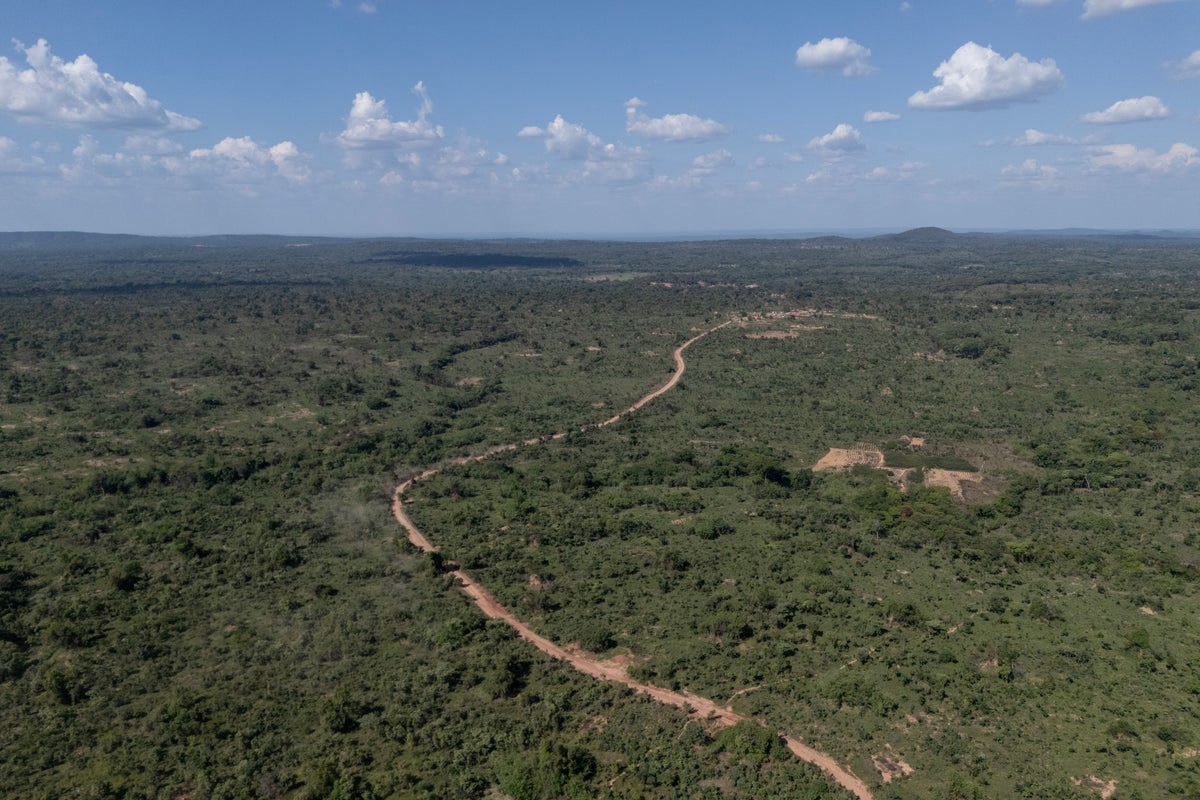
Another Mediterranean tragedy unfolded south of Greece when a vessel carrying 77 people broke apart and partially sank near the remote island of Gavdos. One person is confirmed dead, 51 survivors were pulled from the water, and roughly 25 individuals remain missing. Rescue teams, including assets from the Hellenic Coast Guard and the European Union’s Frontex border agency, scrambled aircraft and vessels to scour the rough seas south of Crete.
If you've followed Mediterranean migration patterns over the last few years, this grim headline feels painfully familiar. But why does this specific stretch of water remain a graveyard for asylum seekers? Let's break down the reality behind the statistics. If you liked this post, you should check out: this related article.
The Shift Toward Gavdos and Crete
For years, the main spotlight of Europe's migration crisis focused on the central Mediterranean route toward Italy or the Aegean islands closer to Turkey. Recently, traffickers have shifted routes southward. They are pushing overloaded vessels from the northern coast of Libya directly toward Gavdos and Crete.
Gavdos is Europe's southernmost outpost. It's a tiny island with minimal infrastructure, lying roughly 320 kilometers (200 miles) away from the Libyan shore. When smugglers pack 77 people onto a single unseaworthy boat to cross that distance, they aren't offering a safe passage. They're gambling with lives. For another look on this development, refer to the latest coverage from Associated Press.
The Greek Coast Guard noted that the boat took on water and partially sank before help could arrive. Survivors plucked from the sea were slated for transfer to reception facilities in Paleochora and Agia Galini on Crete, but the immediate priority remains the frantic search for the 25 still unaccounted for.
Broader Policy Shifts and Statistics
This disaster doesn't happen in a vacuum. European nations have steadily tightened border policies under intense political pressure. Greece's immigration ministry recently reported that migrant arrivals dropped by about 31 percent over a 12-month period, falling from roughly 61,000 down to 42,000.
Under strict leadership from officials like Greek Immigration Minister Thanos Plevris, Athens has pushed hard for rigid border enforcement. Greece has even engaged in discussions with Germany and other EU partners about establishing external "return hubs" outside the bloc to process claims.
Critics argue that tighter borders and blocked paths don't stop people from fleeing war, poverty, or political collapse. Instead, they force migrants into longer, more dangerous maritime routes. When official paths close, smugglers take riskier shortcuts. That is how a short trip from North Africa turns into a catastrophe near Gavdos.
What Happens Next for Survivors
For the 51 people who survived this ordeal, the physical rescue is just the beginning of a grueling administrative and legal process. They face medical evaluations, identification procedures, and the daunting asylum screening system managed by Greek authorities. Those whose claims are rejected face potential deportation, while others may eventually secure transit to the Greek mainland or deeper into Europe.
Meanwhile, search-and-rescue units continue fighting against time and ocean currents to find any trace of the 25 missing passengers. As long as North African smuggling networks operate unchecked and geopolitical instability persists, rescue coordinators in the southern Mediterranean will keep bracing for the next emergency call.