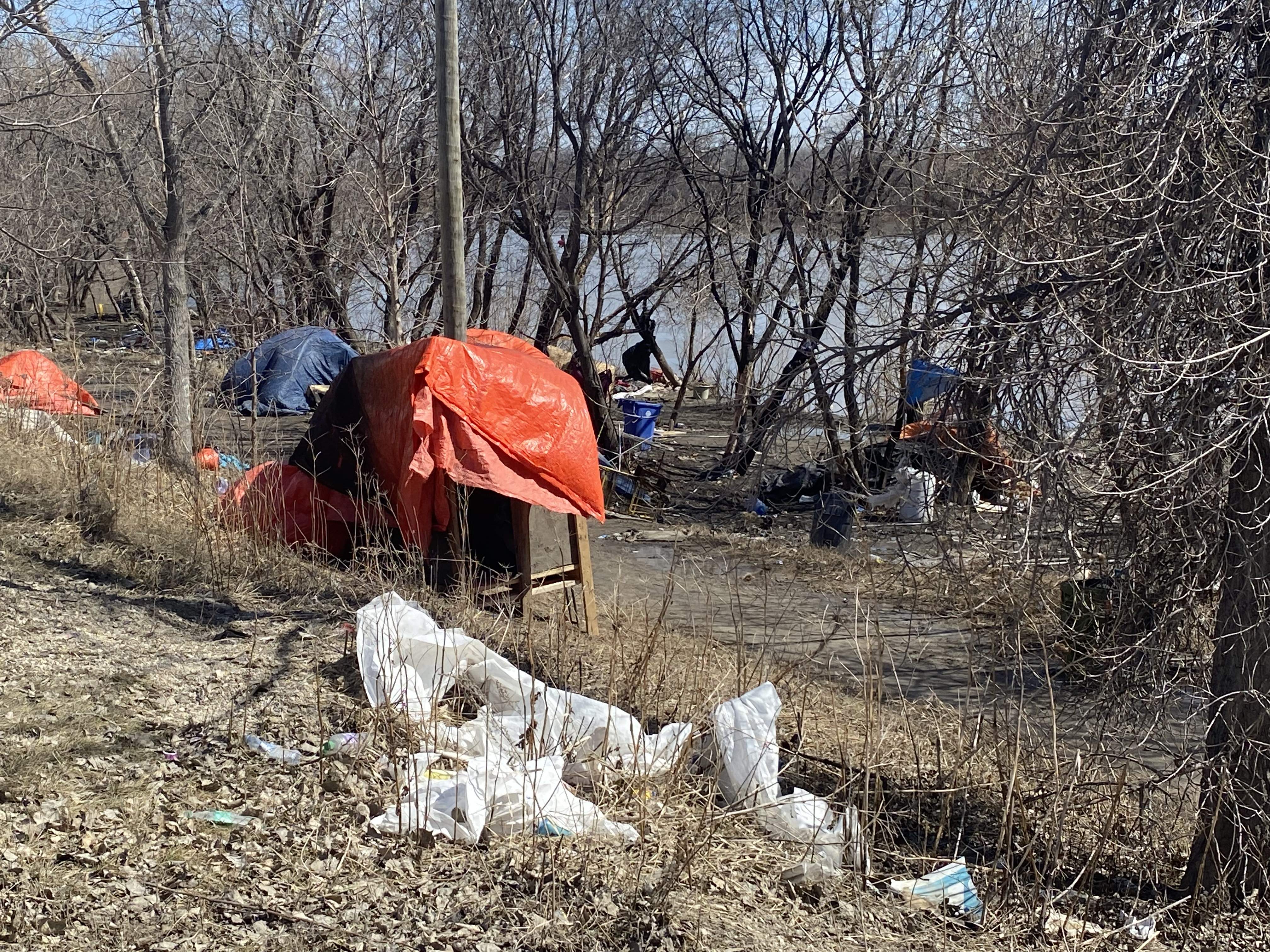
You clear a camp today, and a new one pops up down the street tomorrow. It is a frustrating game of urban whack-a-mole that every major city seems trapped in right now.
Official reports love to highlight the numbers. Fewer people living in encampments sounds like a clean victory on paper. Politicians point to the drop as proof that new bylaws, distance guidelines, and enforcement protocols are working.
Ask any local business owner on a main commercial strip, and you will hear a totally different reality. The displacement doesn't solve the crisis. It just shuffles vulnerable people into storefront doorways, alleyways, and residential neighborhoods.
Let's look at what is actually happening on the ground. Municipal data from cities like Winnipeg show reported camp populations cut significantly compared to previous years, thanks to strict clearance rules. Thousands of dollars flow into enforcement and cleanup crews. Yet, small business owners report skyrocketing vandalism, property damage, and safety concerns that make operating a storefront nearly impossible.
The core issue remains stubbornly simple. When you sweep an encampment without having enough actual housing units ready, people do not magically vanish into stable homes. They disperse.
The Housing Bottleneck That Everyone Ignores
Municipal leaders admit there is a massive supply chokepoint. You cannot house hundreds of unhoused residents when the transitional inventory simply does not exist.
Provinces point to strategies like transitional housing units and newly opened supervised consumption sites as progress. Programs run by Indigenous-led organizations like N'Dinawemak offer critical around-the-clock supports, proving that low-barrier, wrap-around care keeps the majority of people stably housed once they get inside.
Stats show strong retention rates for those who make it into transitional units. The math falls apart because the pipeline is too small. Thousands need shelter, but only a fraction secure a permanent bed.
Add the raging addictions crisis into the mix, and the challenge multiplies. Public health reports show record numbers of naloxone administrations month after month. Substance use is deeply tied to unaddressed trauma. Handing someone a pamphlet or telling them to move 50 meters away from a public park does not treat an overdose or heal a broken life.
Why Current Bylaws Fail Small Businesses
Stricter encampment bylaws often create friction between residents, business owners, and municipal councils.
When city cleanup crews force people out of high-traffic zones like bridge parks or downtown commercial cores, businesses bear the brunt of the immediate fallout. Store owners watch their glass get smashed and property torched in back lanes. They feel abandoned by local governments that prioritize optics over genuine solutions.
On the flip side, advocates argue that criminalizing poverty or pushing people into the industrial corners of a city isolates them further from emergency food supplies, healthcare workers, and social services. Out of sight does not mean out of danger.
If you want to fix the problem, treating the symptoms with bulldozers and ticketing won't cut it.
What Actually Needs to Happen
If cities want to see real, lasting progress instead of temporary drops in camp tallies, priorities must shift.
- Build permanent, low-barrier housing faster than current municipal red tape allows.
- Expand wrap-around health and addiction services directly into housing facilities rather than expecting individuals to navigate complex bureaucratic systems while in crisis.
- Stop relying on enforcement as a substitute for social infrastructure.
Until the housing supply matches the actual scale of need, clearing camps will remain an expensive, endless cycle that helps nobody.