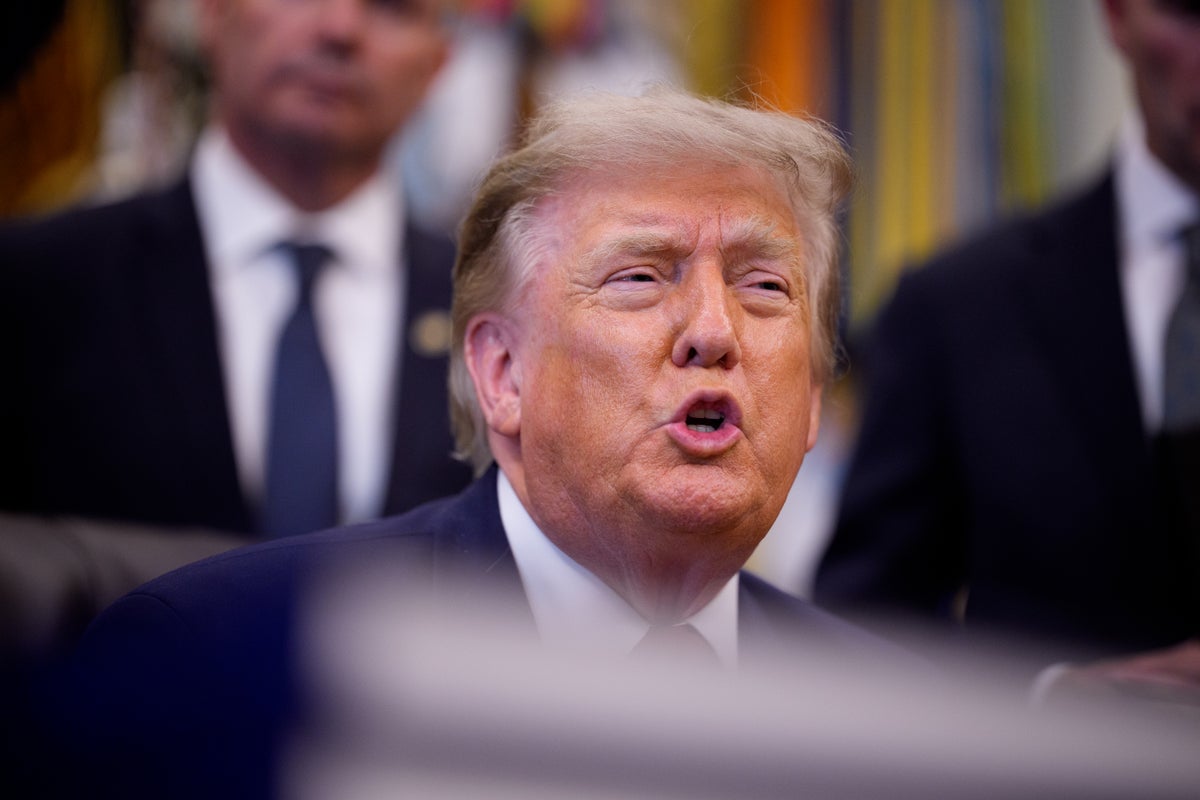
You can't just slap a 20% protection fee on a fifth of the world's energy supply and expect global trade to keep humming along like nothing happened. Yet, that's exactly what Donald Trump threatened when he declared the US the "Guardian of the Hormuz Strait" and demanded a massive cargo reimbursement fee.
Predictably, the idea lasted about as long as a summer thunderstorm. Within 24 hours, the administration pivoted, walking back the toll in favor of vague promises of "massive" Gulf investment deals. But the brief, chaotic lifespan of the Hormuz toll proposal exposes a deeper truth about modern geopolitics. The White House tried to apply a real estate mindset to international maritime law, and the friction was instant.
Understanding why this protection fee was doomed from the start matters because the underlying conflict in the Middle East hasn't gone away. The strait remains a volatile choke point, and the temptation to weaponize global trade routes is higher than ever.
The Reality of Maritime Law vs. Protection Fees
The first and most glaring roadblock to a shipping toll is that it flies directly in the face of centuries of maritime tradition and established law. The Strait of Hormuz isn't a private toll road; it's an international waterway.
Under the United Nations Convention on the Law of the Sea (UNCLOS), commercial vessels enjoy the right of transit passage through straits used for international navigation. Even though the US never ratified UNCLOS, it has historically spent billions of dollars enforcing its principles to keep global sea lanes free and open.
Charging a 20% fee to protect ships from Iranian attacks sounds simple in a social media post, but it effectively creates a dangerous precedent. If the US can charge a toll for security, what stops Iran, Oman, or China from doing the exact same thing in their respective backyard waters? Even senior administration officials, including Secretary of State Marco Rubio, previously acknowledged that international waterways must remain entirely free of tolls. Calling the tax a "reimbursement fee" didn't change the fact that it looked, walked, and talked like state-backed extortion.
The Logistics of Enforcement Are a Nightmare
Let's look at the sheer math of what executing this plan would actually look like. How do you collect a 20% cargo fee from a massive oil tanker floating through a volatile 21-mile-wide choke point?
- The Valuation Problem: Cargo value fluctuates hourly. Assessing a precise 20% fee on millions of barrels of crude or liquefied natural gas in real-time would require an army of maritime accountants and compliance officers stationed in the Gulf.
- The Refusal Risk: What happens if a state-owned Chinese tanker simply refuses to pay the American fee? Does the US Navy board a foreign vessel, seize its cargo, or block it from passing?
- The Armed Convoy Deficit: To legitimately claim a security fee, you have to actually guarantee security. Escorting every single non-Iranian commercial ship through the strait would overwhelm current naval assets, requiring a massive redistribution of warships from the Indo-Pacific theatre to the Middle East.
Iran immediately called the bluff. Tehran's military command made it clear they wouldn't tolerate American forces dictating transit paths outside the established maritime lanes. When you threaten a toll in a zone already plagued by tit-for-tat missile strikes, drone attacks, and burning tankers, you don't create security—you create a massive target.
Why the Pivot to Gulf Investment Accords Happened
The rapid shift from a 20% shipping toll to "massive" bilateral trade and investment deals with Gulf states wasn't an accident. It was a necessary exit strategy from a policy corner the administration had painted itself into.
Gulf allies like the UAE and Saudi Arabia were caught in an impossible position. They rely heavily on the US for defense, but they also bear the immediate brunt of Iranian retaliation whenever tensions spike. Flooding American markets with investments in factories and infrastructure serves as a classic diplomatic compromise. It allows the White House to claim a financial victory for the American economy without triggering a systemic collapse of international maritime norms.
However, swapping the toll for investment pledges doesn't solve the core issue. The fragile interim ceasefires designed to keep the strait open are crumbling. The US is still pushing ahead with a full naval blockade on Iranian cargo, and Iran is still actively targeting commercial traffic using the Omani coast.
What This Means for Global Supply Chains
If you run a business that relies on global shipping, the lesson here is clear: don't mistake the withdrawal of the toll for a return to stability. The geopolitical risk premium for transiting the Middle East remains incredibly high.
Insurance underwriters are already adjusting rates based on the reality of drone warfare and active blockades, not political rhetoric. The threat of sudden, sweeping economic policies affecting major trade routes is the new baseline for global commerce.
To insulate your operations from the ongoing volatility in the Strait of Hormuz, you need to diversify your transit exposure immediately. Map your entire supply chain to identify components or raw materials that rely on Gulf shipping lanes. Begin vetting alternative air freight options for high-value goods, and recalculate your buffer stock requirements to withstand sudden maritime disruptions that can last weeks rather than days. Relying on the permanent openness of the world's most dangerous choke point is no longer a viable strategy.