When European Commission President Ursula von der Leyen floated the idea of making Canada the European Union’s very first associate member during her State of the Union address in Strasbourg, the political shockwaves instantly crossed the Atlantic. Canadian Prime Minister Mark Carney sat in the audience to witness a standing ovation from European lawmakers. This wasn't just standard diplomatic theater. It represents a frantic, high-stakes scramble by middle powers to survive economic bullying from Washington and Beijing.
If you look past the headlines, the real question isn't whether Canada wants a closer seat at the European table. It's whether European capitals—traditionally paralyzed by internal vetoes and terrified of angering Donald Trump—actually have the stomach to step up as a unified global power.
Let's break down why this partnership is moving at breakneck speed, what it means for global trade, and why skepticism from EU member states might kill the deal before it even starts.
The Trump Factor and the Collapse of North American Trade
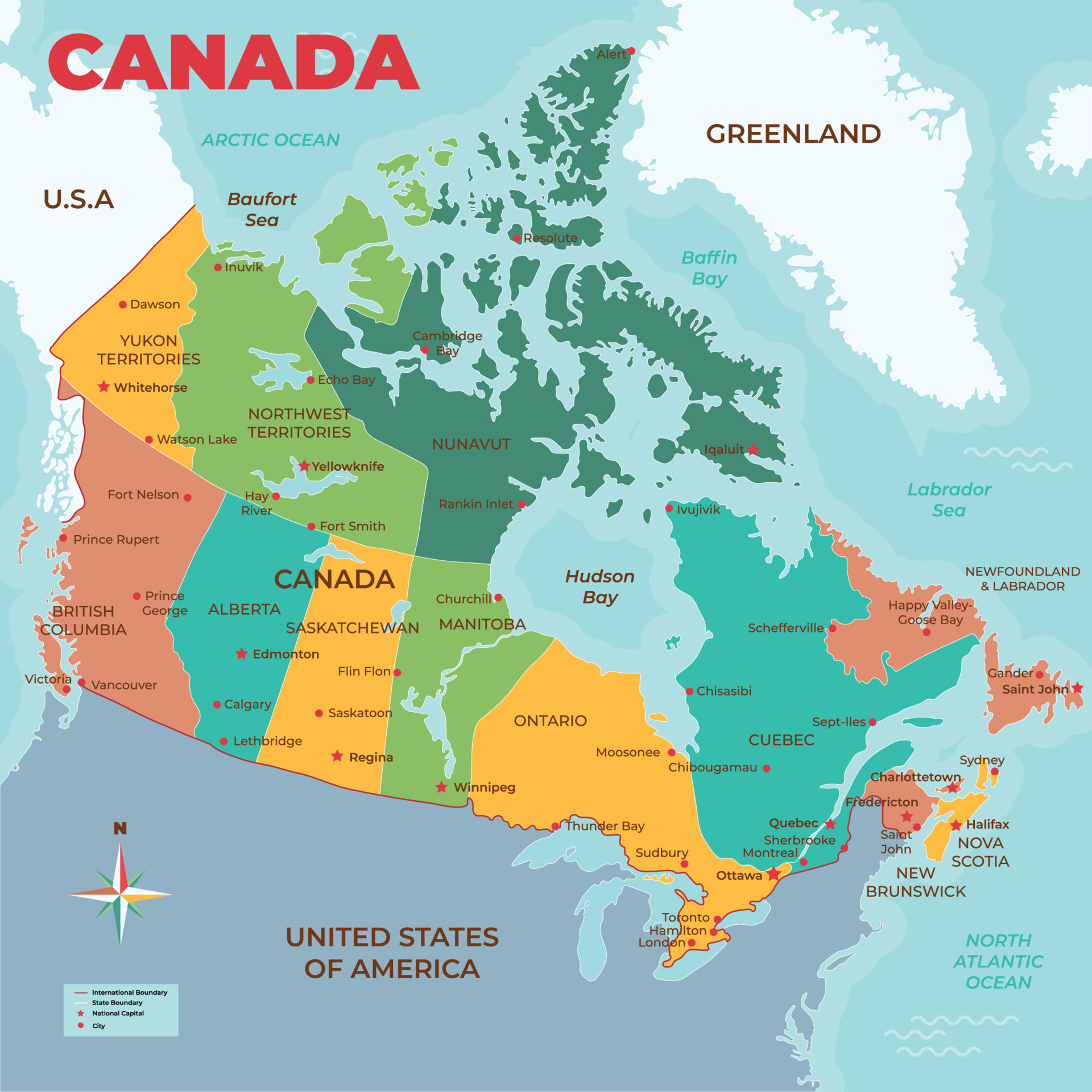
For decades, Canada enjoyed a comfortable, if sometimes tense, economic bubble tied primarily to its southern neighbor. Roughly 70 percent of Canadian exports head to the United States. But that dependency turned into a massive liability when the White House weaponized tariffs and slapped personal attacks on Canadian leadership after bilateral trade talks imploded.
Prime Minister Mark Carney didn't blink. Instead of folding under pressure, he took a page straight out of traditional power politics: he started looking for new allies. Carney has spent months touring global capitals, urging middle powers to band together and reject economic coercion.
When Washington threatens a country with annexation talk or punitive levies, traditional alliances fracture. Canada’s pivot to Europe is a direct response to that vulnerability. By aligning with the European Union on critical minerals, artificial intelligence, quantum technology, and defense manufacturing, Ottawa is trying to insulate its economy from erratic American trade policies.
What Does Associate Membership Actually Mean?
Right now, the short answer is: nobody really knows.
The European Union has no legal framework or institutional rulebook for an "associate member." The bloc currently manages trade policy for 27 member states through a strict single economic market. Granting a North American nation special status without full accession creates a massive bureaucratic and legal headache.
European diplomats hint that potential terms could include visa-free work opportunities for Canadians across the 27 EU nations, deeper reductions in trade barriers, and joint defense production. Von der Leyen framed it as moving away from the sluggish CETA trade agreement—which still hasn't been fully ratified by several EU countries nine years after signing—toward a sweeping "Alliance for the Future."
However, enthusiasm in Brussels doesn't equal unanimous consent.
Why European Skepticism Could Derail the Plan
You can't talk about European integration without running into the brick wall of domestic politics.
First, there's the Trump threat. When asked about von der Leyen's proposal, Donald Trump didn't mince words, calling it a potential "hostile act" and threatening heavy tariffs on European goods if the bloc moves forward with a deal. That kind of rhetoric terrifies EU capitals that export billions into the American market.
Second, the internal politics of the European Union are notoriously sluggish. Ten member states—including France, Italy, and Poland—still haven't ratified CETA. Several European leaders are arguing that Brussels needs to finish cleaning up its existing trade agreements before inventing entirely new categories of membership for non-European countries.
Carney himself has walked a careful line, clarifying that Canada is looking for a unique, comprehensive alliance rather than traditional EU membership that would force Ottawa to surrender legislative sovereignty.
The Reality Check for Middle Powers
Global governance is shifting away from multilateral consensus toward brute transactional power. The United States and China are throwing their weight around, leaving mid-sized democracies caught in the crossfire.
Can Canada and the European Union forge a new axis of stability? The intent is clearly there. Shared values, mutual dependence on critical minerals, and a joint interest in Arctic security provide a strong foundation. But turning a dramatic speech in Strasbourg into binding, functional policy requires overcoming deep-seated bureaucratic inertia and political cowardice across European capitals.
The upcoming Canada-EU summit in October will reveal whether this historic pitch turns into a real geopolitical shift or fades away as another ambitious idea choked by red tape.
Check out Von der Leyen Meets Canada Carney to see the official meeting between European and Canadian leadership in Strasbourg as they discuss the framework for future cooperation.
http://googleusercontent.com/youtube_content/1