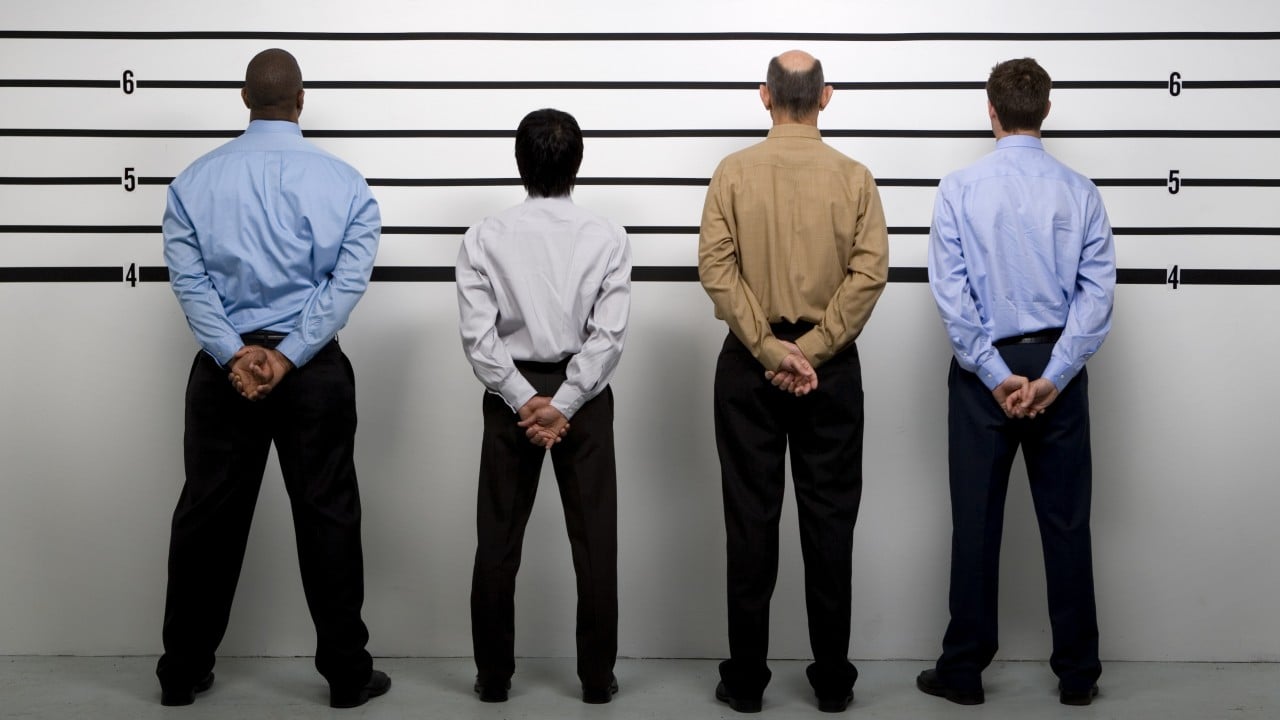
You think you’d know a criminal if you saw one. You imagine your memory is a high-definition recording, ready for playback whenever the police ask.
The truth is much darker. Human memory isn’t a camera. It’s more like a messy sketch artist who constantly redraws the picture based on what they think they should have seen. When you witness a crime, your brain doesn’t just store the event. It encodes it, stores it, and—most dangerously—retrieves it, often twisting the facts in the process.
The Myth of the Perfect Memory
Most people assume that if they feel certain about an identification, they’re right. This is a trap. Science proves that confidence has almost zero correlation with accuracy.
I’ve looked into the research, and it’s sobering. Your brain is prone to the "misinformation effect." This is where outside cues—like a leading question from a detective or a suggestive photo array—literally overwrite what you actually saw. If an officer asks, "What was the guy in the red hat doing?" even if you don't remember a hat, your brain might invent one to fill the gap. Now, that false detail is part of your memory. You’ll defend it to the death, and you’ll be entirely wrong.
Why You Can’t Trust Your Own Eyes
Why does this happen? The process of memory is split into three volatile stages: encoding, storage, and retrieval.
- Encoding: This is where you first take in the information. High stress or the presence of a weapon acts like a blinder. If a thief pulls a gun, your eyes lock onto the weapon, not the face. You’re human. You’re focused on surviving, not taking notes.
- Storage: Memories degrade. They fade. They also get contaminated. If you talk to other witnesses, you start merging their versions of events with your own.
- Retrieval: This is the final stage, and it’s where legal systems often fail. When you step into a lineup, you’re often looking for the person who best matches the image in your head. If the real perpetrator isn't there, you might pick the person who looks the most similar, just to satisfy the pressure of the moment.
The Danger of Relative Judgment
Police lineups are the primary way suspects are identified, but they’re not all created equal. Many jurisdictions still use "simultaneous" lineups, where all photos are shown at once.
This is a massive mistake. When you see everyone at once, your brain defaults to a "relative judgment." You compare the photos and pick the one who looks most like the guy you saw. It’s a comparison exercise, not a memory test.
Smart departments are moving toward "sequential" lineups, where you see one photo at a time. You have to decide "yes" or "no" for each person. This forces your brain to rely on actual memory, not a relative comparison. It’s far more accurate, yet it’s still not standard everywhere.
Why You Should Be Skeptical
If you’re ever asked to identify someone, proceed with extreme caution. The legal system gives eyewitness testimony far more weight than it deserves. It’s been the primary cause in a staggering number of wrongful convictions overturned by DNA testing.
If you're a witness, follow these rules:
- Don’t talk to others. Keep your memory pure. Don’t let their stories infect yours.
- Document immediately. Write down every detail while the memory is fresh. Don’t wait for the police to ask.
- State your uncertainty. If you aren't sure, say it. The pressure to "help" the police often makes people lie to themselves.
Your brain wants to be a hero. It wants to give the police the answer they need. Don’t let it. Acknowledge that your recollection is flawed, biased, and susceptible to pressure. The justice system is built on human fallibility, and the sooner you accept that, the more effectively you can resist the urge to fill in the blanks.
Stop trusting your gut. Start questioning your own mind. It’s the only way to ensure the person you identify is actually the person who did it.