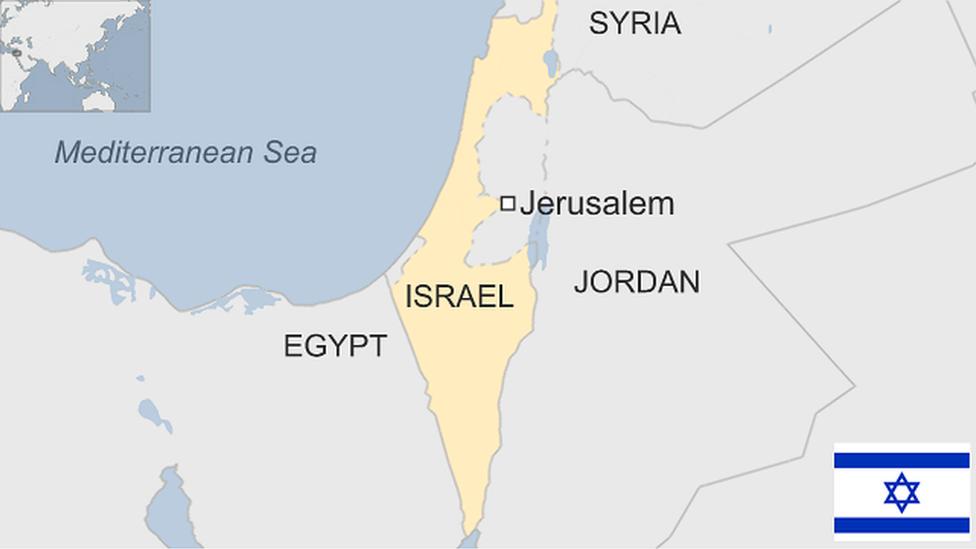
Governments don't issue travel bans because they are winning an argument. They issue them because they are terrified of what the witness will report back. When Israeli authorities barred a group of British MPs—including former UK Labour leader Jeremy Corbyn—from entering the country in September 2026, they offered a masterclass in deflection. The official justification changed nothing about the underlying reality. You can block a flight manifest, but you cannot delete the systemic realities of occupation, blockades, and legal rulings that define modern Palestine.
Let's look at why this matters right now. The ban arrived hot on the heels of mounting international friction over illegal settlements and weapon component exports. For decades, state-level censorship and travel restrictions have tried to control the flow of information coming out of the West Bank and Gaza. Yet, cutting off international observers only exposes how far authorities will go to dodge independent scrutiny.
What the Travel Restrictions Are Really Hiding
Transparency is the ultimate enemy of an occupation. When international journalists, United Nations investigators, and foreign legislators are denied entry, it isn't an administrative hiccup. It's an active strategy.
Think about the daily mechanics on the ground. Millions of people live under a complex matrix of military checkpoints, segregated road networks, and arbitrary administrative detentions. In Gaza, the multi-year blockade has engineered severe humanitarian crises, restricting everything from medical supplies to clean water.
When you bar independent eyes from witnessing these conditions firsthand, you are trying to enforce a black hole of accountability. But the strategy backfires. Banning lawmakers doesn't hide the truth; it signals desperation. It proves that the government imposing the ban knows its actions cannot withstand global exposure or legal scrutiny under international law, particularly following landmark International Court of Justice opinions regarding the unlawfulness of the occupation.
The Legal and Political Fallout of Complicity
For years, Western governments maintained a policy of diplomatic shielding. That wall is cracking under the weight of public pressure and legal realities.
When a state takes legislative steps to restrict trade involving illegal settlement goods, or when international courts rule on state obligations, the political calculus shifts. Banning elected officials from allied nations is a retaliatory spasm. It sends a clear message: criticize our policies, and you lose access.
Yet, this kind of hardline diplomatic posture alienates ordinary citizens who are paying attention. Protests around the world continue to draw massive crowds demanding an end to arms sales, military cooperation, and diplomatic cover. The disconnect between what citizens demand and what foreign policy establishments do has never been wider.
Amplifying Palestinian Voices Beyond the Headlines
Politicians and diplomats come and go, but the core of the issue remains the lived experiences of Palestinians themselves. Too often, media coverage reduces an entire population to statistics of tragedy and destruction.
While the humanitarian emergency is real and devastating, reducing the conversation solely to horror stories strips away human agency. On the ground, you find profound resilience, vibrant culture, art, music, and an unyielding demand for basic dignity and freedom of movement. Amplifying these voices means shifting the focus from passive victims to active agents of their own liberation.
No travel ban can silence an idea whose time has come. Governments can revoke visas, blacklist politicians, and try to rewrite diplomatic protocols. They cannot erase the documentation, the legal precedents, or the millions of people worldwide who refuse to look away. True peace will never arrive through exclusion zones or military crackdowns. It arrives when the occupation ends, accountability is enforced, and justice is finally served. Take action by supporting independent journalism, holding your local representatives accountable for foreign policy votes, and refusing to let political censorship dictate what the world is allowed to see.