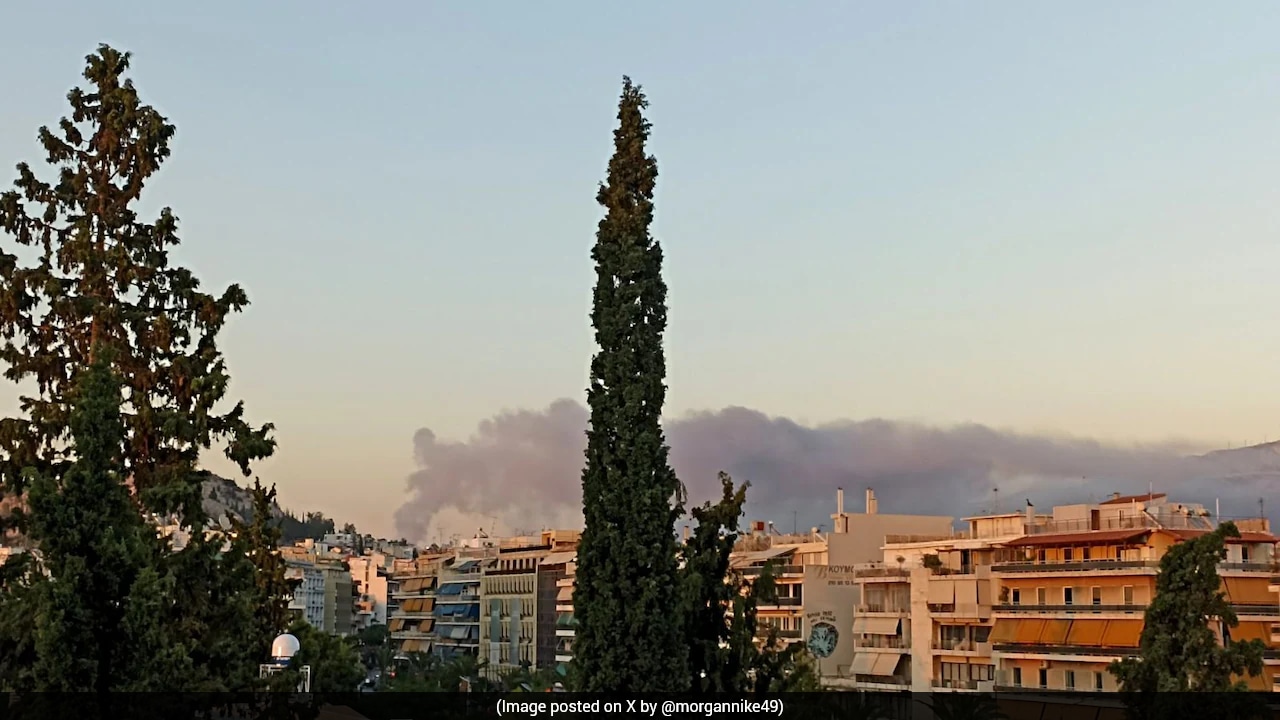
The roof of the former 2004 Olympic Badminton Hall in Athens collapsed into a mountain of ash early Monday morning. For anyone who tracks the lifecycle of multi-million-dollar sports infrastructure, this wasn't a shock. It was the closing act of a decades-long bureaucratic trainwreck.
Around 8 p.m. on Sunday, July 12, 2026, flames tore through the abandoned venue located in the Goudi district. It took nearly 40 firefighters, 13 emergency vehicles, and a fleet of drones equipped with thermal cameras until the early hours of Monday to bring the inferno under control. No one died, and no injuries were reported. But the physical destruction of the venue highlights a much bigger problem that host cities face long after the athletes go home.
This building wasn't just old. It was legally dead for over a decade. The fire department's arson division is currently digging through the debris to figure out exactly what triggered the blaze. Yet, the real root cause is much simpler: absolute state neglect. When you leave a massive, legally compromised structure rotting in the middle of a public park for years, bad things happen.
The Total Collapse of a Twenty Million Euro Illusion
Greece spent over 20 million euros ($23 million) building this specific arena for the 2004 Summer Games. It was meant to be a temporary structure, a quick fix to house the badminton events before being dismantled or repurposed. Instead, like so many other facilities built during that frantic rush in the early 2000s, it became permanent by default.
After the Olympic flame went out, the government didn't want to admit they had spent millions on a single-use tent. So, they sank another 16 million euros into the property to convert it into a private commercial venue. For a while, it worked. Rebranded as the Badminton Theater, the hall hosted massive touring productions like Cats, Mamma Mia!, and Jesus Christ Superstar. It became a well-known cultural hub in east Athens, surrounded by a park where local residents walked their dogs and kids played.
But the entire enterprise sat on a foundation of legal quicksand.
In 2012, Greece's highest administrative court, the Council of State, ruled that the theater violated local building regulations. The court ordered its demolition. The building lacked proper permanent permits, violated zoning laws for public parklands, and shouldn't have been operating as a commercial theater in the first place.
Did the authorities tear it down? Of course not. They did what bureaucrats do best: they hesitated, dragged their feet, and let the venue sit in legal limbo. The theater eventually went dark, and the building sat completely unused for several years, slowly gathering dust and rust until the 20-year lease officially expired in April 2026. Three months later, it burned to the ground.
How Olympic Host Cities Keep Making the Same Mistake
The Goudi fire is a textbook example of the "white elephant" syndrome that plagues modern mega-events. The International Olympic Committee demands pristine, specialized venues for sports that often have zero local footprint. Badminton isn't exactly a national pastime in Greece.
When planners design these spaces, they focus entirely on a three-week window in August. They don't think about what happens next. Consider the math behind the Goudi venue:
- Initial construction cost: 20+ million euros
- Post-Olympic conversion cost: 16 million euros
- Legal status since 2012: Deemed illegal, slated for demolition
- Current value: A pile of toxic ash and twisted steel
This isn't an isolated incident in Athens. The Helliniko complex in the south of the city, which hosted baseball, softball, and hockey, spent years rotting into a post-apocalyptic wasteland before private developers finally stepped in to completely gut the area for residential use. The beach volleyball stadium in Neo Faliro met a similar fate, sitting padlocked, abandoned, and stripped by looters.
Planners frequently lack the foresight to build adaptable spaces. They build monuments to their own ambition, then pass the maintenance bill down to taxpayers who get absolutely no value from the empty shells.
The Warning Signs Nobody Wanted to See
Local residents in Goudi had been complaining about the state of the abandoned theater for months. Empty buildings attract trouble. Squatters, vandals, and accumulation of dry brush in the hot Mediterranean summer created a perfect recipe for a disaster.
When the fire broke out, the Greek Civil Protection Ministry had to broadcast an emergency 112 alert to the wider neighborhood. The smoke was heavy and toxic, forcing residents to lock themselves inside and seal their windows. Police shut down multiple major roads around the park, snarling traffic and causing localized panic.
We see this pattern repeat across the globe. Rio de Janeiro’s Olympic park turned into a ghost town within months of the 2016 closing ceremony. The iconic Maracanã Stadium had its power cut off due to unpaid electricity bills, and stray cats took over the press boxes. Sarajevo's 1984 winter venues became military strongholds and bullet-riddled ruins during the war and never recovered.
The lesson here is incredibly clear. If a city does not have a fully funded, legally sound, 50-year plan for a venue before breaking ground, they shouldn't build it.
Next Steps for Local Authorities and Urban Planners
The fire is out, the smoke has cleared, and the city of Athens now faces the task of cleaning up a hazardous mess. If you are an urban planner or an advocate for smarter public spending, here is what needs to happen right now to prevent the remaining Olympic ruins from meeting the same fate.
Audit the Remaining Post-Olympic Inventory
The Greek sports ministry needs to stop pretending that abandoned venues will magically fix themselves. Every single structure built for the 2004 Games that currently sits empty must undergo an immediate structural, environmental, and security audit. Secure the perimeters, clear the surrounding fire hazards, and stop waiting for private investors to rescue these sites.
Clear the Bureaucratic Red Tape
The Badminton Theater burned down partly because the state could not decide how to execute a 14-year-old court order. When a high court rules a building illegal, tear it down immediately or fix the legal framework to adapt it for safe public use. Indecision is a safety hazard.
Return the Land to the Public
The Goudi park is highly valued by local residents. Now that the illegal structure has been physically removed by the fire, the city must resist the urge to lease the land to another private commercial entity. Clear the debris, plant trees, and expand the park. Turn a decades-long policy failure into an actual victory for the neighborhood.