We claim to bleed for the First Amendment. Mention freedom of the press in casual conversation and you'll get universal nods of agreement. It sounds great on paper. But scratch beneath the surface and the narrative shifts entirely.
Fresh data from the Pew Research Center reveals a striking contradiction in the American mindset. While roughly 73 percent of U.S. adults call press freedom extremely or very important, a clear majority simultaneously wants the government to step in when journalism gets messy. We love the abstract concept of a watchdog. We just hate it when the watchdog bites someone we like or prints something we disagree with.
Let's look at the numbers. About 53 percent of adults surveyed say stopping inaccurate reporting matters more than protecting unrestricted press freedom. Only 45 percent stick to the absolutist view that the press must stay free even when getting things wrong. When false information hits the headlines, roughly half of Americans think the government should have the power to force retractions or take down stories. About 6 in 10 feel the exact same way regarding stories touching national security.
You cannot have it both ways. Total freedom means accepting the bad with the good. Yet public patience wears thin the moment a news cycle turns chaotic.
The Partisan Pendulum and Political Realities
Who worries about press restrictions depends entirely on who sits in the Oval Office. Politics colors everything now.
During the Biden presidency, conservatives felt the heat and voiced deep anxiety about media control. Today, under Donald Trump's second administration, the script has flipped. Recent polling shows that 64 percent of Democrats report extreme or high concern about potential press restrictions, while only 29 percent of Republicans share that worry.
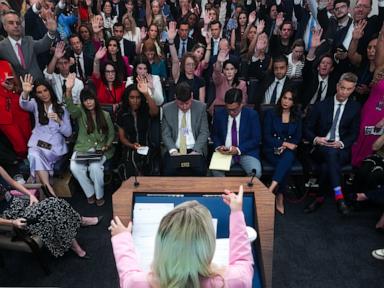
Meanwhile, roughly 44 percent of Americans believe press freedom has actively declined under Trump's current term. Only 12 percent see an increase. Add in the reality that about 71 percent of citizens across party lines view the overall relationship between the White House and the media as hostile or bad, and you have an environment primed for friction.
It's not just partisan bickering driving this anxiety, either. The media ecosystem itself has fractured. Algorithms, independent digital creators, and tech gatekeepers have redefined what counts as "the news." When anyone with a smartphone can publish breaking updates, public trust in traditional institutions plummets. People stop trusting the referee, so they want the government to grab the whistle.
Legal Ignorance Fuels Bad Assumptions
Another piece of this puzzle involves basic constitutional literacy. It is easy to demand government intervention when you do not fully understand the boundaries of the law.
Surveys consistently show that a significant chunk of the public fails to grasp how the Constitution protects the press from state overreach. If you don't know that the First Amendment exists precisely to prevent government censorship of critical reporting, you are far more likely to cheer when a politician attacks an outlet they dislike.
We expect journalism to act as a public service while treating it like a combat sport. When journalists expose corruption, we cheer. When they publish unverified claims or make high-profile mistakes, we demand state-level censorship.
Where We Go From Here
If you want a truly free society, you have to tolerate speech that offends, frustrates, or occasionally misleads you. The alternative is a state-managed information pipeline where accuracy is defined by whoever holds power at the moment.
Next time you find yourself wishing the government would silence a reckless headline, remember the trade-off. Once you hand the state the scissors to cut out the lies, you give them the right to clip whatever truth they find inconvenient. Protect the whole system, or watch the ideal vanish completely.
2026 World Press Freedom Index: Space of independent journalism shrinking worldwide
This video provides additional context on the global trends affecting independent journalism and press freedom.